Selling A Home In Chino Valley’s Acreage Market
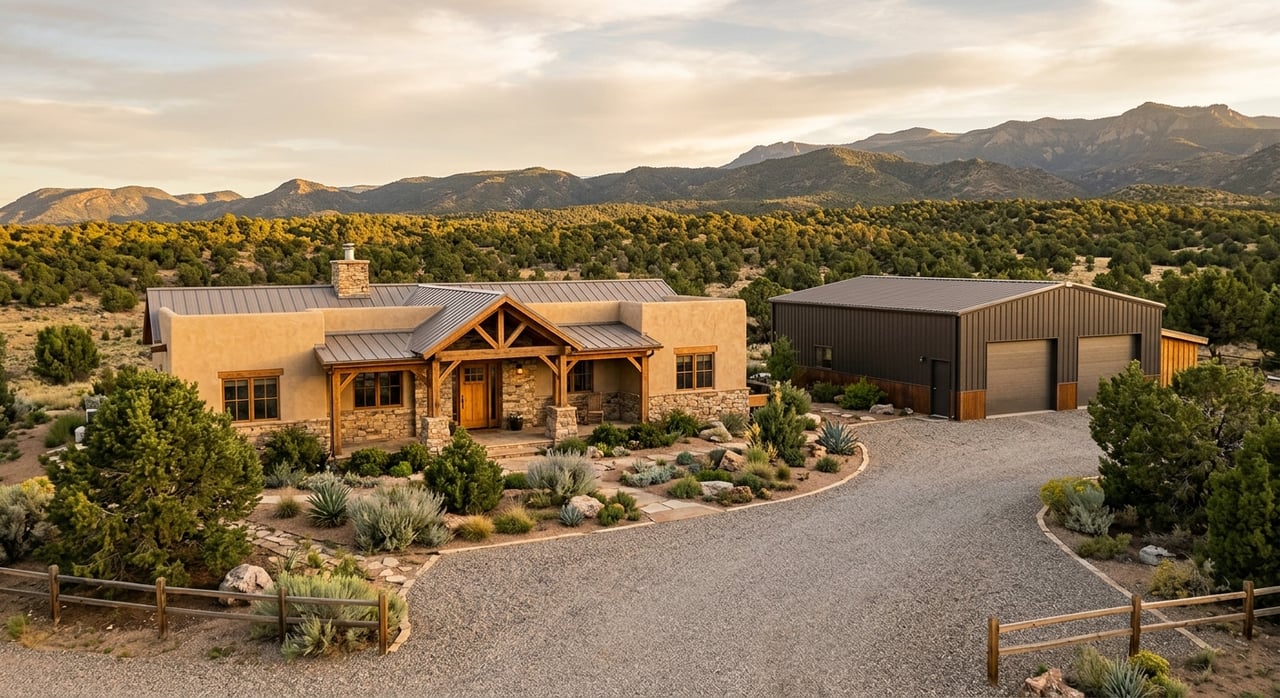
If you treat a Chino Valley acreage property like a typical subdivision home, you can leave money on the table or lose buyer interest fast. Selling rural property comes with a different set of questions, from wells and septic to usable land and access. When you understand what buyers actually look for, you can price more accurately, prepare more confidently, and market the property in a way that fits how Chino Valley really works. Let’s dive in.
Chino Valley is shaped by its rural, small-town character, and that matters when you sell. The Town’s planning documents reinforce that rural lifestyle, and they also note that many properties rely on wells and septic rather than widespread municipal water and sewer.
That one fact changes how buyers evaluate value. Instead of focusing only on the house itself, they often look closely at the land, water setup, wastewater systems, access, fencing, and any outbuildings.
Local market data also shows that Chino Valley can move at a healthy pace when a property is priced and presented well. In PAAR’s April 2026 release, Chino Valley had 44 sales, a median sold price of $439,000, and median days on market of 26. Other data sources show a slower timeline, with Redfin’s March 2026 city page reporting 68 days on market and a median price of $405,000.
The safest takeaway is not one exact number. It is that Chino Valley acreage can sell in a matter of weeks, but your timeline will depend heavily on property type, condition, and how clearly the listing answers buyer questions.
Acreage pricing usually breaks down when sellers rely too much on a per-square-foot comparison. That shortcut may work better in a tract neighborhood, but it often misses the features that drive value on rural property.
In Chino Valley, buyers tend to separate the property into parts. They look at the home’s condition, the amount of usable land, the quality of access, the fencing, the presence and condition of barns or shops, and the reliability of the well and septic systems.
That means two homes with similar square footage can command very different prices if one has more functional land, better site improvements, or stronger documentation. A clean shop, solid access, and organized records can influence how confident a buyer feels.
Not every acre contributes equally to market value. Buyers often want to know how much of the land is practical for their intended use, whether that means animals, equipment, storage, or simply open space.
This is where broad pricing assumptions can cause trouble. If part of the value story depends on future split potential or animal use, those claims should be verified before they are used to support price.
Yavapai County states that farm animals are allowed only on parcels meeting minimum size requirements in certain zoning districts. The County also says that minor land division review is required for five or fewer lots, parcels, or fractional interests when any parcel is 10 acres or smaller in unincorporated county.
For sellers, that means you should be careful about implying horse use, future division, or development upside unless those points have been confirmed for your specific parcel. Buyers of acreage property tend to be detail-oriented, and vague claims can weaken trust.
On acreage, prep is not just about tidying the living room and touching up paint. Buyers often form an opinion based on the entire property, including the driveway approach, open land, perimeter condition, and visible infrastructure.
That is why strong preparation starts outside. Before professional photos or video, it helps to make sure the land looks maintained and the systems are easy to explain.
Presentation matters from the moment a buyer turns onto the property. Entry drives, gates, fencing, and open areas all shape the first impression.
Yavapai County says dry weeds over 6 inches are prohibited and must be cleared within 30 feet of structures, property lines, roadways, easements, and rights-of-way. For sellers, that makes mowing, weed clearing, and general cleanup part of market readiness, not just routine maintenance.
Septic is one of the first technical issues buyers ask about on rural property. Yavapai County notes that septic review depends on site-specific conditions and setbacks from structures, wells, and property lines.
That is why it helps to collect records before listing. If you have permit documents, service history, repairs, or inspection information, having it ready can reduce uncertainty and speed up buyer due diligence.
Wells also come with paperwork that buyers want to see. The Arizona Department of Water Resources says a new well, or a deepening or modification of an existing well, requires a Notice of Intent to Drill and must be performed by a licensed well-drilling contractor.
If your property has a domestic well, buyers will likely want a clear summary of the setup and any available records. If the property uses a shared well, that deserves even more attention.
ADWR states that well-sharing agreements are private contracts between the parties and are not regulated or enforced by the agency. In practical terms, that means buyers should not be expected to rely on a verbal explanation.
If your property is served by a shared well, have the written agreement available. That can help buyers understand the arrangement and ask more informed questions early.
Water quality can carry more weight on acreage than on a home served by municipal water. The Arizona Department of Health Services recommends testing new wells for arsenic, bacteria, fluoride, lead, nitrates, total dissolved solids, and uranium, along with regular ongoing testing for certain items.
For a seller, recent test results can help answer one of the most common buyer concerns. Even when a buyer plans to do their own testing, organized information can make your listing feel more transparent and credible.
A strong acreage listing should show the property as land plus improvements. If the marketing focuses only on interior rooms and finishes, buyers may feel that key questions are being skipped.
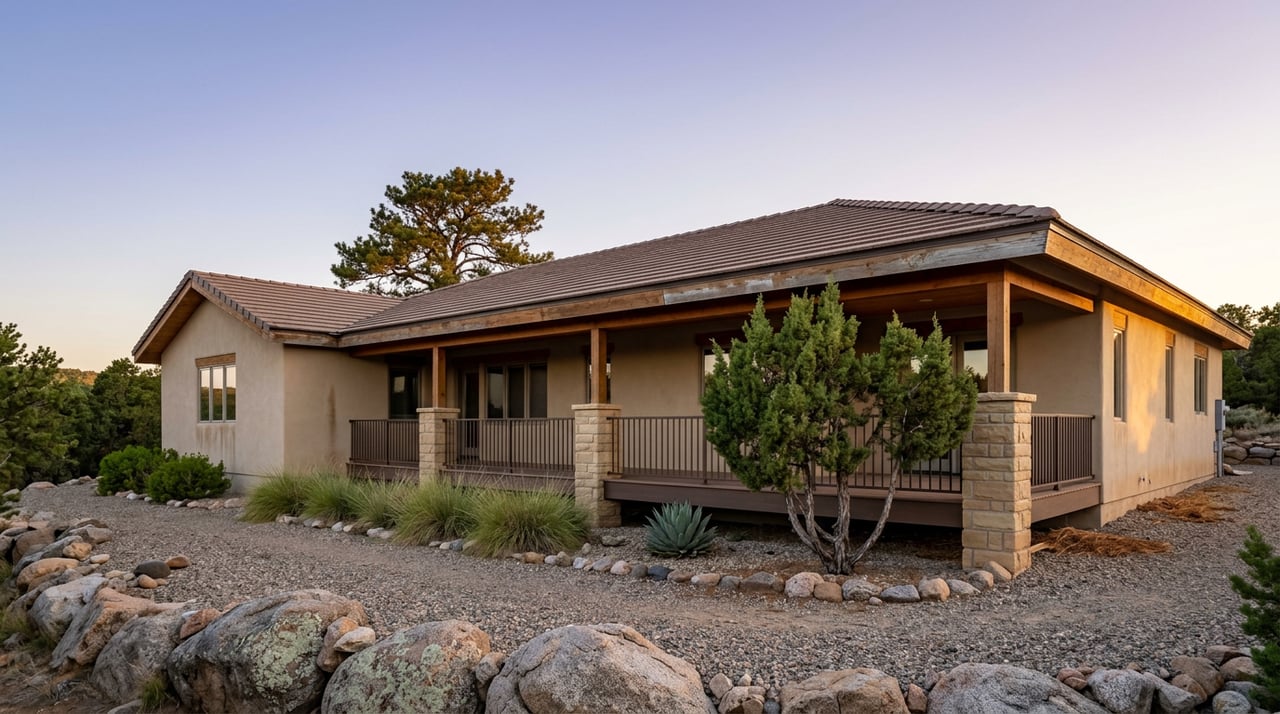
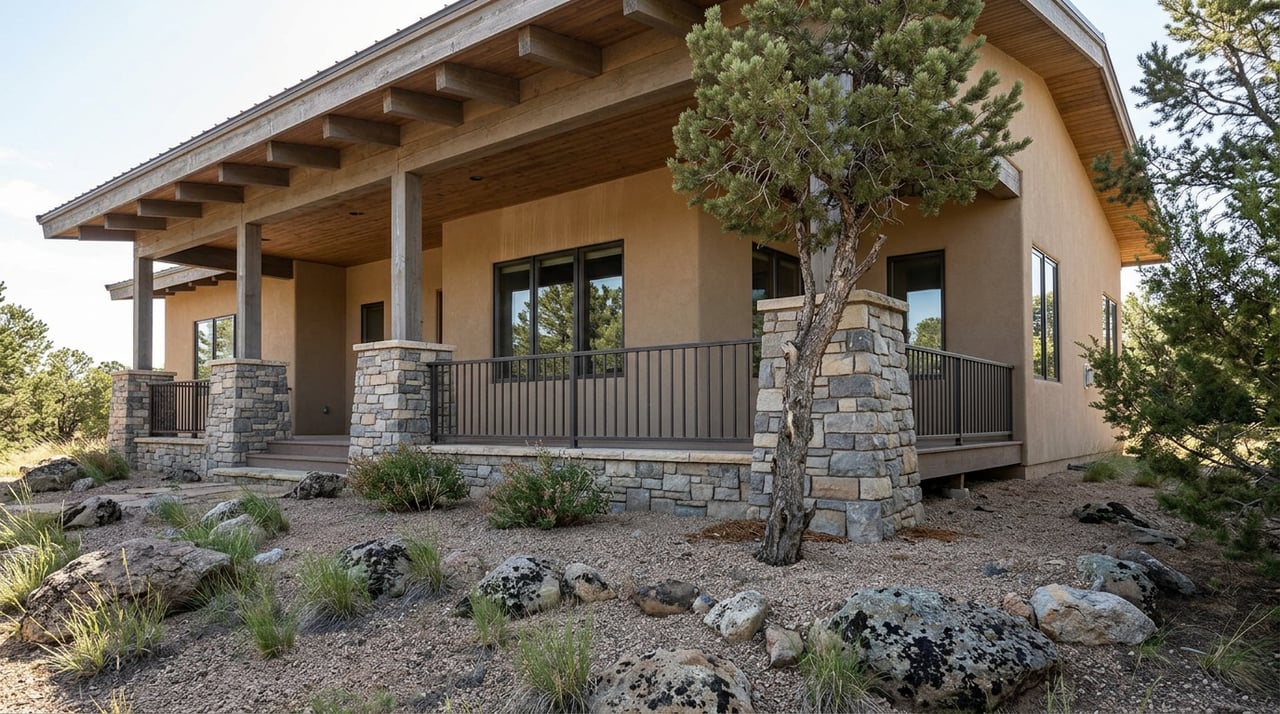
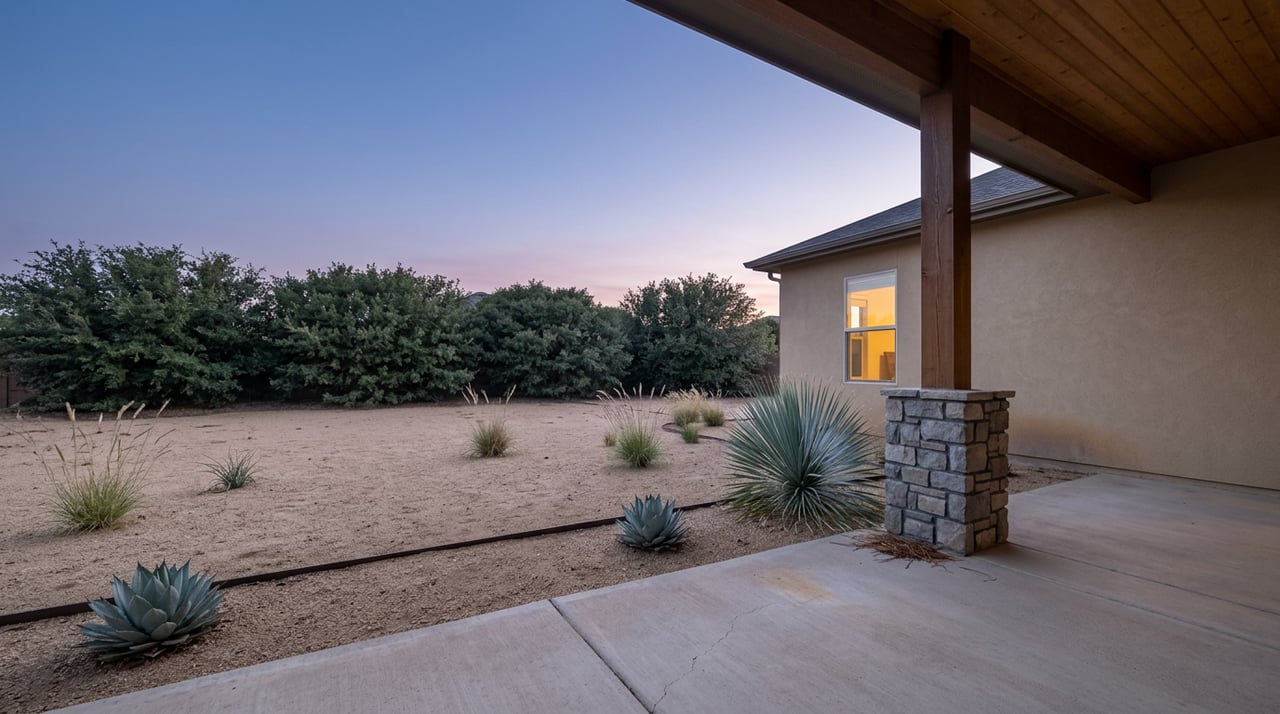
In Chino Valley, marketing usually works best when it shows how the site functions. That can include the entry drive, usable open space, fencing, barns or shops, views, and the overall layout of the land.
This is where strategy matters. Rural and atypical properties often benefit from richer storytelling, stronger visuals, and more explanation than a standard in-town listing.
Many acreage buyers want the same core questions answered early. They want to know the water source, whether the well has been tested, whether the septic is permitted and in good order, whether outbuildings are documented, and whether the land is truly usable.
When your listing addresses those points clearly, it can attract more serious interest. It also helps reduce back-and-forth later, because buyers know what they are looking at before they schedule a showing.
This is especially important in a market like Chino Valley, where the property experience often starts well before a buyer reaches the front door. The land, access, infrastructure, and improvements all contribute to value.
A good marketing plan should help buyers picture not just the home, but the entire setup. That is often the difference between a listing that feels complete and one that feels unfinished.
If you are thinking about selling in the next 6 to 12 months, start earlier than you think. Acreage properties usually need more prep because there is more to document, clean, verify, and present.
National timing data from Realtor.com’s 2026 report points to mid-April as a strong listing window, with homes listed during April 12 through 18 historically getting more views and selling faster. For Chino Valley sellers, the practical lesson is to finish cleanup, records gathering, and photo prep before spring rather than trying to do it after the listing goes live.
At the same time, keep expectations realistic on timing. Recent Chino Valley days-on-market figures have ranged from 26 days in PAAR’s April 2026 release to 68 days in Redfin’s March 2026 city page.
That range tells you something important. Some properties move quickly, but acreage buyers often need time to evaluate land, systems, and fit.
Arizona sellers are expected to disclose known material facts, and the Seller’s Property Disclosure Statement is a key part of that process. Arizona guidance says buyers should receive the SPDS within five days after acceptance under the contract, and sellers should update disclosures if information changes before closing.
For acreage homes, well records, septic documents, repair history, and permit information often matter more than they would on a typical municipal-utility property. When you have those documents organized, you put yourself in a stronger position to answer questions clearly and move the transaction forward.
The best Chino Valley acreage listings usually do three things well. They price the property based on how the home and land actually function, they prepare the systems and records before launch, and they market the property as a complete rural offering rather than just a house on a lot.
That approach helps serious buyers feel informed from the start. It also supports better pricing conversations, stronger showings, and fewer surprises once due diligence begins.
If you are preparing to sell acreage in Chino Valley, the details matter. Working with an agent who understands rural property, buyer expectations, and how to present atypical homes can make a real difference. If you want a tailored strategy for your property, request a free home valuation from Peter Fife.
Stay up to date on the latest real estate trends.