Thinking about a rural or horse property in Chino Valley? Your decision will live or die by three quiet systems you cannot see: the well, the septic, and the soil beneath your boots. You want clean water, reliable wastewater treatment, and a site that will support your plans without surprise costs.
In this guide, you will learn exactly which records to pull, which tests to order, what the rules say, and the red flags that should trigger stronger contingencies or a price conversation. You will walk away with a clear due diligence checklist built for Chino Valley and Yavapai County. Let’s dive in.
Why these systems matter in Chino Valley
Chino Valley sits in Arizona’s high country with pockets of shallow soils and caliche that can limit septic performance. Private wells are common, and each one is unique. Local agencies and state rules set the framework, but you are responsible for confirming the real condition on your specific parcel.
- Chino Valley’s municipality plans long term for water resources in the area, which supports the region’s future, but your private well still needs site-level due diligence today. You can review the town’s water planning to understand the broader context at the Town of Chino Valley’s water resources page.
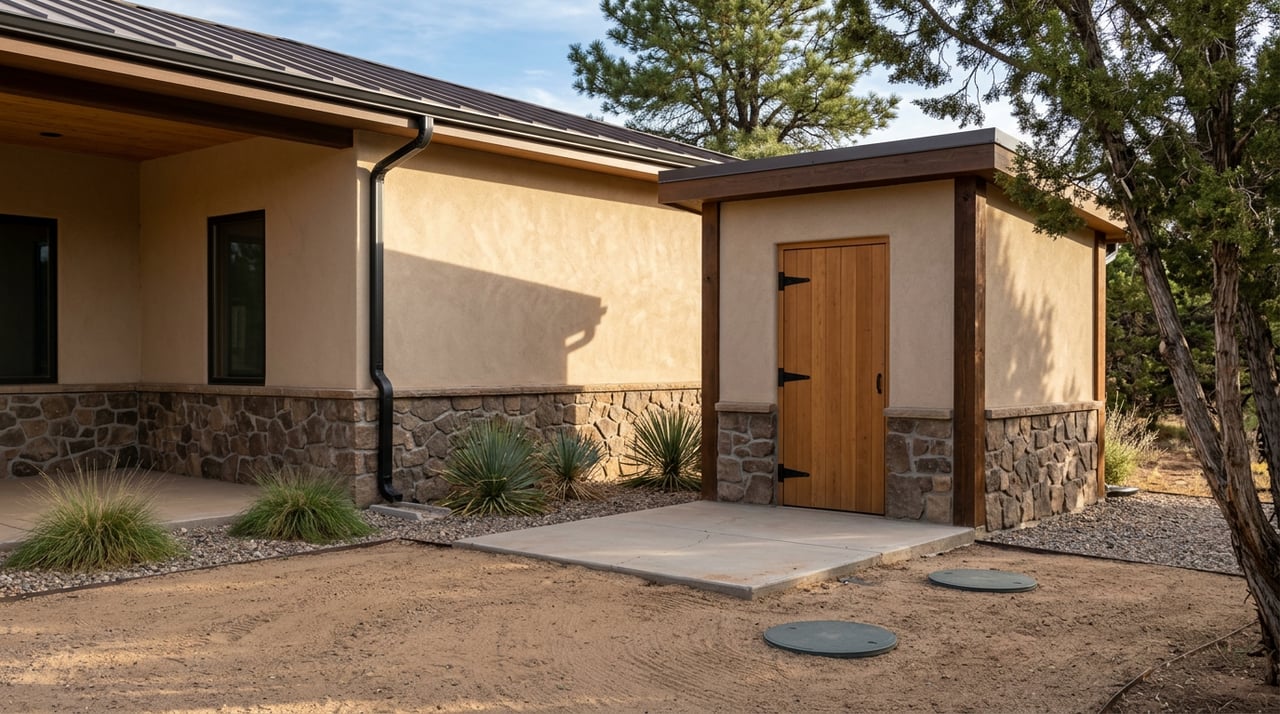
- Many properties rely on septic systems regulated by Yavapai County and the Arizona Department of Environmental Quality (ADEQ). You will want to know exact setbacks, design limits, and transfer requirements.
What rules apply here
- Septic permitting and inspections are handled by Yavapai County Development Services. Start with the county’s on-site wastewater guidance and forms to confirm setback and submittal expectations for your parcel.
- ADEQ sets the statewide on-site wastewater rules, including the required resale inspection program. Sellers must provide a current Report of Inspection, and buyers file the Notice of Transfer. Read the ADEQ Type 4 onsite wastewater rules before you commit.
- All wells must be registered with the Arizona Department of Water Resources (ADWR). Completion logs, pump installation reports, and well registry numbers live in ADWR’s database. Search the ADWR Well Registry for your subject and nearby parcels.
Wells: how to vet a private well
The goal is simple: verify construction, confirm sustainable flow, and prove water quality with lab results.
Start with records
- Pull the ADWR registry entry and the driller’s completion log for the property. These show drilled depth, casing depth, static water level at completion, and reported yield.
- Ask for pump installation reports and any prior pump test documentation. If key records are missing, treat that as a material unknown and plan extra testing.
Use these as your baseline before you spend money on new tests.
Understand the well’s classification
Most rural homes have domestic “exempt” wells with a pump capacity of 35 gpm or less. That classification has different reporting obligations than larger non-exempt wells. The University of Arizona explains private well basics and responsibilities in its homeowner well guide. If your property sits in or near the Prescott Active Management Area, rules can be different, so confirm details with ADWR records and local planning.
Order the right inspections and tests
- Licensed well contractor inspection. Have a pro examine the head, sanitary cap, electrical, and visible equipment. They should reference the ADWR log to confirm construction.
- Sustained-yield pump test. Require a multi-hour run with recorded flow rate in gpm, drawdown, and recovery data. Get the written pump test report.
- Full water-quality lab analysis. Use an ADHS-certified lab. Initial testing should include a broad panel. At a minimum test for total coliform, nitrate, TDS, pH, and add metals like arsenic plus radionuclides common in the region. The UA well guide outlines recommended parameters and testing frequency. Keep the lab’s chain-of-custody and methods in your file.
- Shared wells. If the well serves multiple homes, obtain the recorded sharing agreement, easements, metering setup, and maintenance plan. Verify the registry name and ownership through ADWR.
Region-specific contaminants to prioritize
Arizona geology can carry naturally occurring arsenic and radionuclides. Yavapai County has documented hotspots. Private wells are not sampled by the state, so the owner is responsible for testing. See the overview of Arizona groundwater contaminants discussed in the peer-reviewed literature, and include arsenic on your first lab panel.
If agriculture or animal uses are nearby, add nitrate and bacteria testing. If the property is close to an airport or known foam-use sites, discuss PFAS testing with your lab.
Capacity, storage, and practical fixes
Pump capacity controls how fast water can be delivered. Storage, such as a pressure tank or a cistern with a booster pump, controls how much water you can use during peak times. If your measured yield is low, plan for more storage or adjust your daily use. The UA well guide shows how to right-size storage to measured gpm.
Well red flags
- No ADWR registration or missing driller’s completion report.
- Pump test shows very low sustained yield or evidence of short cycling.
- Lab results show arsenic, uranium, or other primary contaminants above limits without treatment records.
- A shared well with no recorded agreement or unclear easements.
Septic systems: rules, proof, and condition
You want a system designed for the home’s permitted bedrooms, installed under a county permit, and functioning without surfacing effluent or backups.
The regulatory baseline
- ADEQ Type 4 rules set the design standards, including a common minimum vertical separation of 5 feet between the bottom of the disposal trench and the limiting layer, and a 100-foot minimum setback from wells unless approved otherwise. Review the ADEQ program summary.
- Yavapai County enforces permits, field investigations, and setbacks. The county typically requires three test holes or an equivalent soil characterization performed by a registered professional and expects setbacks such as 100 feet from any well and 10 feet from structures. Confirm exact requirements in the county’s on-site wastewater packet.
The resale inspection you must have
For property transfers, ADEQ requires a Report of Inspection prepared by a qualified inspector within six months of transfer. The ROI documents tank condition, baffles, evidence of leakage or surfacing effluent, pump tank function if present, and whether the design matches the property’s permitted flow and bedroom count. Ask the seller for the ROI and the county permit file.
System types and when alternatives apply
Conventional gravity systems work on suitable soils with enough depth and separation. If your site has shallow soils, caliche, high rock content, or elevated groundwater, you may need pressure distribution, a chamber system, a mound, or a proprietary aerobic treatment unit approved by ADEQ. Alternative systems cost more to design, install, and maintain, so get quotes early.
Septic red flags
- Sewage surfacing, strong odors, or persistently wet ground over the disposal area.
- Undersized systems relative to bedrooms or missing reserve area.
- Lack of any permit history or an ROI that notes structural failures.
- Septic within 100 feet of a well, or measured vertical separation under 5 feet.
Soils and site conditions in Chino Valley
Chino Valley often has shallow soils with semi-impervious caliche. That can limit conventional leach fields and may create perched water when irrigated. The University of Arizona notes that average depths can be around 2 feet in parts of the area, with sandy-loam to clay-loam topsoils and high variability parcel to parcel. Read the county soils overview from UA Extension to understand why a site-specific investigation matters.
- First pass: pull a map in the USDA NRCS Web Soil Survey to spot potential limitations.
- Permitting step: Yavapai County expects test holes, subsurface characterization, and percolation or ASTM methods, performed by a registered professional as part of the Site Investigation Report.
- Wells and soils: Caliche and bedrock can increase drilling depth and lower yields. Always review nearby ADWR well logs before you assume any yield.
Your due diligence roadmap
Follow this sequence to protect your budget and timeline.
Documents to request from the seller
- ADWR well registry number, driller’s completion report, and any pump installation reports. Use the ADWR Well Registry to verify.
- Copies of full water lab reports with chain-of-custody and the lab’s name and methods.
- Septic permit records, final inspection or completion paperwork, the current ROI, and any site-investigation or percolation reports. See Yavapai’s on-site wastewater page for what should exist.
- Any recorded shared-well agreements, easements, or deed language about water or wastewater.
- Title information on easements and any water-right instruments if applicable.
Pros to hire during inspection period
- Licensed well driller or pump contractor to run a sustained-yield test and document static level, pump depth, gpm, drawdown, and recovery.
- An ADHS-certified lab for a comprehensive water-quality panel, including bacteria, nitrate, arsenic, and radionuclides. Add PFAS if nearby land uses suggest risk.
- A registered sanitarian, geologist, or civil engineer for the county-required septic site investigation.
- A licensed septic contractor or designer for repair or replacement estimates if your site is limited.
Budget planning numbers
Use these as planning ranges and verify with local quotes:
- Water testing: about 100 to 300 dollars for bacteria, nitrate, TDS, and pH; 200 to 800 dollars for a fuller panel that includes metals and radiological analytes; expanded testing can reach 1,000 to 2,500 dollars. See testing scope guidance in the UA well guide.
- Pump or pressure-system work: many repairs or replacements fall in the 1,000 to 4,000 dollar range. Cost depends on depth, pump type, and access. Cost data are consistent with national contractor compilations such as Angi’s guides.
- New well drilling: often 5,000 to 30,000 dollars or more depending on depth, casing, geology, and pump. In harder rock or deeper zones, costs can exceed that range. Review local depth data and see broad statistics summarized by SC Well Service to frame expectations.
- Septic repairs and replacement: small fixes often 500 to 3,000 dollars. Full conventional replacements commonly 7,000 to 25,000 dollars. Alternative systems on difficult sites are often 20,000 to 60,000 dollars or more. National ranges align with contractor sources like Angi’s septic cost overview.
- Contingency: for an older well or septic, plan a 10,000 to 30,000 dollar reserve. Refine once you have inspection and testing results.
Contract contingencies that protect you
- Make the sale contingent on receiving the ADWR registry number, driller’s log, the most recent pump test, and the last two lab reports. If missing, require the seller to cure or provide a credit large enough to complete testing and address immediate failures.
- Require the ADEQ Report of Inspection and allow time for your own septic site investigation if county files are incomplete.
- If shared wells or easements are involved, require recorded agreements and clear metering or cost-sharing provisions before you release contingencies.
Quick red flag checklist
Use this as your go or no-go filter:
- No ADWR well registration or missing driller’s completion report.
- Pump test shows unsustainably low gpm for your intended use.
- Water lab shows arsenic, nitrate, or other primary contaminants above limits with no treatment history.
- Septic ROI absent, or the system is older with signs of surfacing effluent or undersizing.
- Site investigation shows limiting soils or high rock that will require an expensive alternative system.
Final guidance
Chino Valley offers space, views, and the rural lifestyle many buyers want. With a smart plan, you can buy confidently. Start with records, verify performance with the right tests, and use county and state rules as your framework. Keep an inspection calendar, collect every report in writing, and let the data guide your negotiations.
If you are weighing two or three properties and want a second set of eyes on the technical side, reach out. As a long-time Greater Prescott agent who works extensively with acreage and horse properties, Peter Fife can help you structure contingencies, sequence inspections, and connect with qualified local pros so you buy with clarity and confidence.
FAQs
What does ADEQ require for septic when buying a home in Chino Valley?
How do I check a private well’s history before testing?
- Search the ADWR Well Registry for the well’s registry number, driller’s completion log, and any pump installation reports.
Which water-quality tests are most important for Yavapai County wells?
- Start with bacteria, nitrate, TDS, and pH, then add arsenic and radionuclides per the UA homeowner well guide; add PFAS if nearby land uses warrant.
Are arsenic concerns common in this region’s groundwater?
- Naturally occurring arsenic is documented in parts of Arizona, including Yavapai County, so include arsenic on your initial lab panel and review results against health standards noted in peer-reviewed summaries.
What if the property’s soils are shallow or have caliche?
- Expect to need an engineered alternative septic design, such as a mound or pressure distribution system, as discussed in county guidance and the UA Extension soils overview.
How much well flow do I need for daily living and light irrigation?
- It depends on household size and uses; even low gpm can work with adequate storage, so pair your measured yield with a right-sized pressure tank or cistern per the UA well guide.
Where do I find setback rules and permit records for septic systems?
- Yavapai County’s on-site wastewater page provides permit files, setback guidance, and required site-investigation steps.