Prescott, Prescott Valley, Or Chino Valley: Where Should You Live?
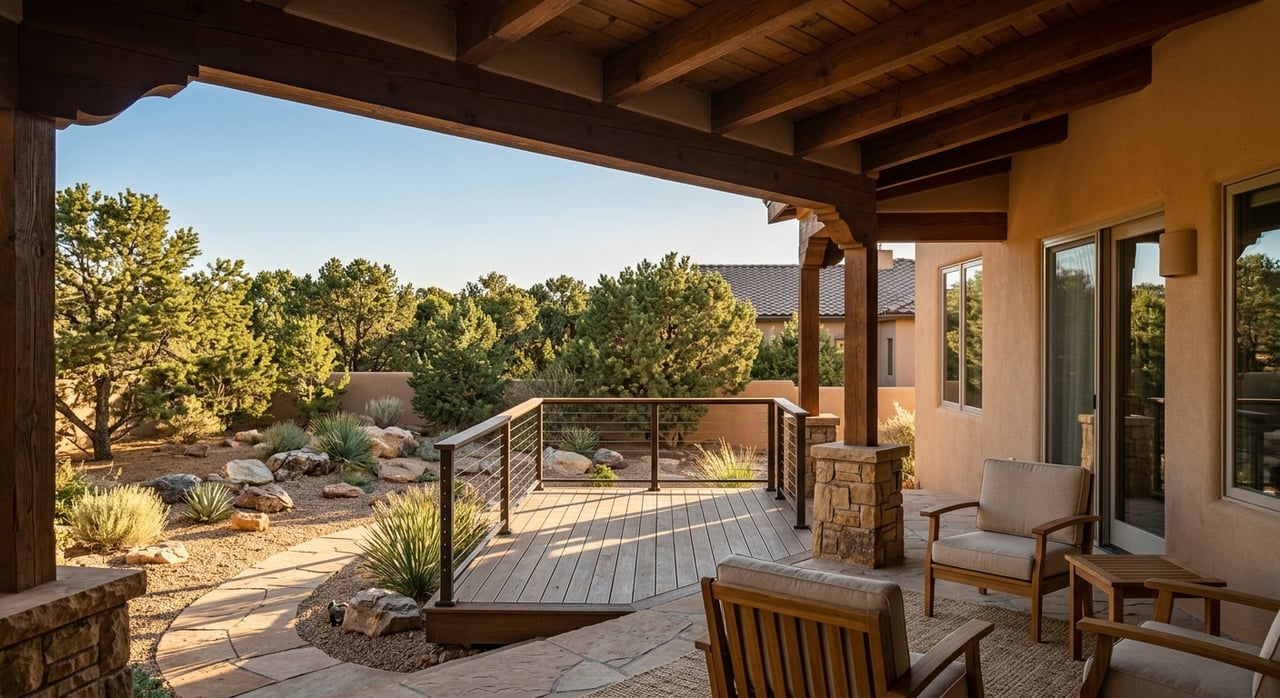
Trying to choose between Prescott, Prescott Valley, and Chino Valley? You are not alone. Many buyers moving within Greater Prescott or relocating from out of state narrow their search to these three communities, then realize each one offers a very different day-to-day experience. If you want to compare price, lifestyle, commute, amenities, and property types in a practical way, this guide will help you sort out where you may feel most at home. Let’s dive in.
At a high level, each town fills a different role in the local market. Prescott is the most established and amenity-rich option, Prescott Valley offers a middle-ground suburban feel, and Chino Valley stands out for space and a more rural setting.
Population and land area help show that difference. According to the U.S. Census Bureau quick facts, Prescott has 48,224 residents, Prescott Valley has 51,440, and Chino Valley has 13,911. Chino Valley also has the largest land area at 62.42 square miles, compared with 44.97 in Prescott and 40.47 in Prescott Valley.
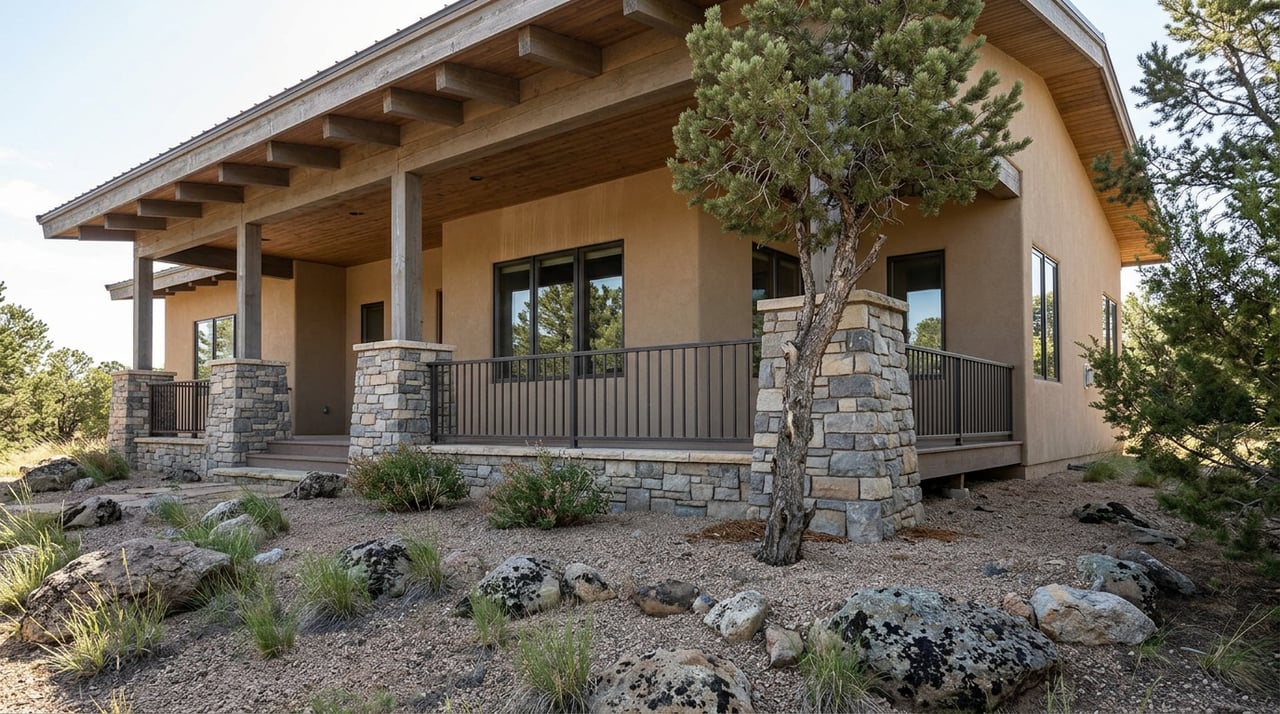
If you picture tree-lined streets, a historic downtown feel, trail access, and strong everyday services, Prescott is usually the one that stands out. The city has the deepest sense of history among the three, with 13 local and 13 national historic districts and more than 800 National Register properties.
Prescott also has the highest price point. The median owner-occupied home value is $564,100, which is higher than both Prescott Valley and Chino Valley. That higher cost often reflects its established neighborhoods, historic identity, and broader amenity base.
For buyers focused on recreation, Prescott offers a lot close to town. Watson Lake is about four miles from downtown and offers boating, kayaking, fishing, camping, disc golf, and trail access. The city also highlights Courthouse Plaza events and access to 1.2 million acres of Prescott National Forest through its planning materials.
Prescott can be a strong fit if you want:
The local data supports that last point. Census data shows Prescott averages 1.97 persons per household, and 40.6% of residents are age 65 or older.
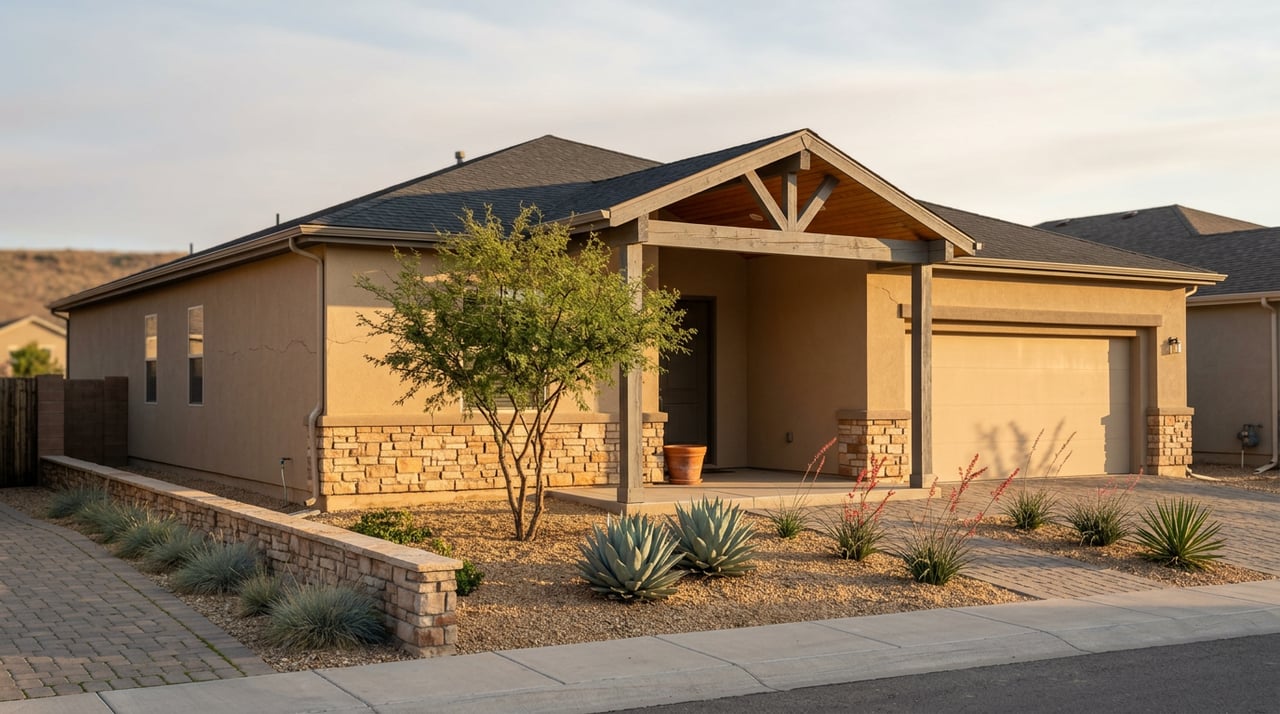
If Prescott feels a little too expensive and Chino Valley feels a little too rural, Prescott Valley often lands in the sweet spot. It offers a balanced mix of housing, services, and newer neighborhood options without requiring the highest budget of the three.
The median owner-occupied home value in Prescott Valley is $413,200. That places it well below Prescott and modestly above Chino Valley. For many buyers, that creates a practical middle ground.
Prescott Valley is also the fastest-growing of the three. The Census Bureau reports population growth of 10.0% since 2020, ahead of Chino Valley at 6.9% and Prescott at 5.1%. In real terms, that often means more subdivision-style inventory and more opportunities for buyers who want newer homes or a broader range of neighborhood formats.
The community describes its housing mix as diverse, including master-planned communities, traditional neighborhoods, and homes on acreage. That flexibility is a big part of Prescott Valley’s appeal.
Prescott Valley often appeals to buyers who want:
It also offers practical access to healthcare and education. Yavapai Regional Medical Center has a campus in Prescott Valley, and Yavapai College has a center there as well.
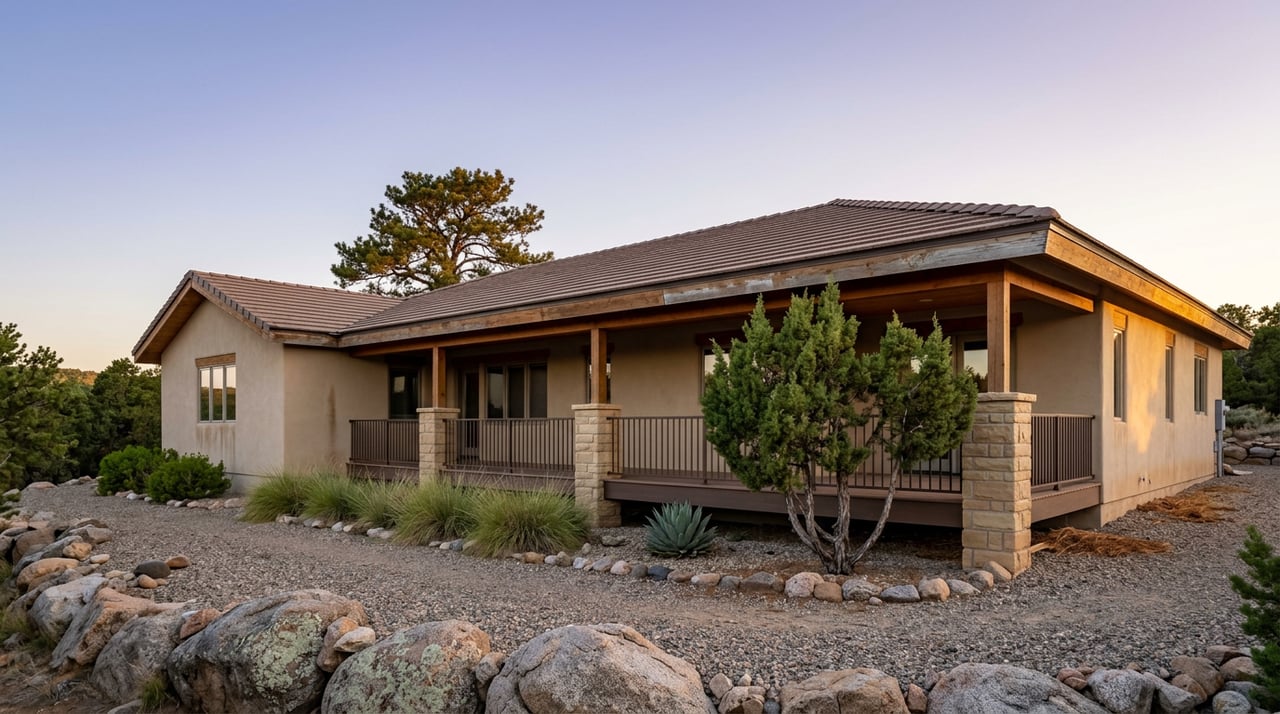
If your priority is land, lower density, or a property that supports a more rural lifestyle, Chino Valley usually rises to the top. It is the smallest by population, the largest by land area, and the clearest fit for buyers looking beyond standard subdivision living.
The town’s planning documents emphasize a rural small-town lifestyle, agriculture, and property rights. Its zoning framework also addresses livestock and agricultural or residential districts, which is why many acreage and horse-property buyers start here.
Chino Valley also has the lowest median owner-occupied home value of the three at $394,700 according to Census data. That does not mean every property is inexpensive, especially when acreage is involved, but it does show a lower overall entry point than Prescott and Prescott Valley.
Chino Valley may be the best fit if you want:
That stability shows up in the numbers. Homeownership is 83.1%, and 90.9% of residents lived in the same house the previous year.
Price matters, but so does what you get for your money. These three communities differ not only in cost, but also in the style and feel of the housing stock.
| Area | Median Owner-Occupied Home Value | Housing Feel |
|---|---|---|
| Prescott | $564,100 | Historic, established, amenity-rich |
| Prescott Valley | $413,200 | Balanced mix, newer neighborhoods, suburban convenience |
| Chino Valley | $394,700 | Rural, acreage-oriented, lower density |
Prescott also appears more mixed in tenure, with 68.0% owner-occupied housing. Prescott Valley sits at 72.3%, while Chino Valley leads at 83.1%, based on Census quick facts.
Rent gives another layer of context. Median gross rent is $1,395 in Prescott, $1,580 in Prescott Valley, and $1,248 in Chino Valley. If you are testing the market as a renter before buying, those figures can help frame your expectations.
These towns are close to each other, but they do not feel exactly the same. Elevation and landscape shape the experience more than many buyers expect.
Prescott sits around 5,400 feet and is described by the city as semi-arid with distinct seasons. Prescott Valley is around 5,100 feet and is described by the chamber as having a mild year-round climate with four seasons. Chino Valley sits at 4,656 feet in high-desert grasslands and also describes its climate as mild with four seasons.
In practical terms, Prescott often feels cooler and more wooded, Chino Valley feels more open and rural, and Prescott Valley sits between them. That pattern reflects the elevation and setting information in the local planning and community sources.
Your daily routine matters as much as the home itself. Commute times and access to services can make one town feel much more practical than another depending on where you work and how often you want to drive.
The average commute to work is 19.0 minutes in Prescott, 21.9 minutes in Prescott Valley, and 31.6 minutes in Chino Valley. That longer average in Chino Valley lines up with its lower density and larger land area.
Prescott also functions as a regional service center. The city’s Consolidated Plan notes that local facilities and services support residents beyond the city itself. If you want the strongest concentration of amenities, that is part of Prescott’s appeal.
The best place for you depends on what matters most in daily life. Here is a simple way to think about it.
There is no single right answer between Prescott, Prescott Valley, and Chino Valley. Each community serves a different type of buyer, and the right choice usually comes down to your budget, property goals, preferred setting, and how you want everyday life to feel.
If you want help comparing neighborhoods, understanding the tradeoffs between town and acreage living, or narrowing your search based on lifestyle and property type, Peter Fife can help you make a confident move with local insight and practical guidance.
Stay up to date on the latest real estate trends.