How to Evaluate Prescott Land Development Opportunities
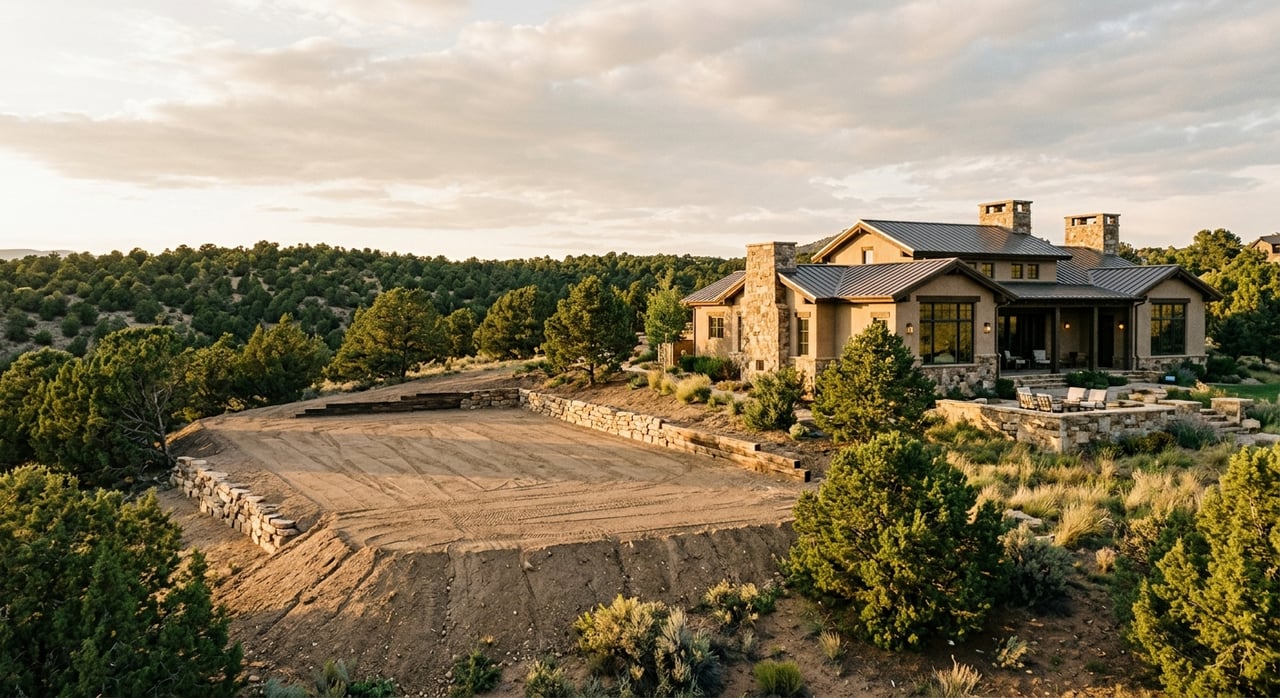
If you have ever looked at a piece of land in Prescott and thought, "This could be a great opportunity," you are probably right and also only halfway there. With land and small development parcels, the real question is not just what the property looks like on paper. It is whether access, zoning, utilities, slope, drainage, and approvals line up in a way that makes the deal workable. In this guide, you will learn how to evaluate land and small development opportunities in Prescott with a practical, local lens so you can spot red flags early and move forward with more confidence. Let’s dive in.
In Prescott, a land purchase is rarely just an acreage decision. It is usually an access-and-entitlement decision first, then a construction decision second.
That matters because two parcels with similar size and price can have very different paths forward. One may already fit your intended use, while another may need added approvals, more engineering work, or a different utility plan before you can build.
Before you focus on views, lot lines, or future plans, confirm which jurisdiction governs the parcel. In this area, that usually means determining whether the property is inside the City of Prescott or in unincorporated Yavapai County.
That first step shapes almost everything that follows. It affects the permit path, the review process, the standards you will need to meet, and what kind of land division or development route may be available.
Within the City of Prescott, Planning and Zoning reviews land use projects under the Land Development Code and General Plan. The city says this code controls uses, design, dimensional standards, density, and parking requirements.
If you are looking at a parcel inside city limits, the zoning map can help you get oriented. But the city also states that the map is for general reference only, which means it should be treated as a starting point, not a final answer on what you can do.
In unincorporated Yavapai County, permits are required for buildings, structures, and grading, and the county uses a one-stop permit process. The county also has a minor land division ordinance that applies to five or fewer lots, parcels, or fractional interests when each is ten acres or smaller.
That can be useful if you are exploring a smaller split strategy. Still, county approval depends on key items such as legal access, minimum zoning compliance, utility easements, and a survey-prepared map.
A parcel may appear to fit your plan at first glance, but small development often depends on more than the zoning label. If legal access is unresolved or the site does not meet zoning requirements, Yavapai County states that building permits will not be issued until those issues are corrected.
In the city, applications for land splits, combinations, replats, preliminary plats, rezoning, and site plan review often require survey-based materials. That is one reason buyers of land and atypical properties benefit from early technical due diligence.
A parcel is much more attractive when you can clearly answer one simple question: how will water and wastewater service actually work? In Prescott, that answer is highly site-specific.
Waiting too long to verify utilities can turn a promising deal into an expensive surprise. This is especially true for small development parcels, where one missing utility piece can affect timeline, cost, and feasibility.
The City of Prescott says water availability is parcel-specific. Only lands within the city’s water service area that were recognized in 1999 are entitled to connect to the municipal system.
That service area includes city limits and also portions of Chino Valley and unincorporated Yavapai County. So even if a parcel is near development, you should not assume city water is available without direct verification.
The city is also within the Prescott Active Management Area. According to the city, Assured Water Supply rules invoked in 1999 restrict groundwater use for new subdivision development, and the city’s designation requires supplies to be physically, legally, and continually available for 100 years.
City sewer service is available in some areas, but the property owner is responsible for the private sewer line from the home to the city tap. If sewer is not available, septic may be the practical path instead.
Yavapai County requires a permit to construct a septic system. For buyers considering land outside full municipal service areas, that makes septic review an early and important step.
For other core services, the city lists electric service as Arizona Public Service and natural gas as Unisource Energy Services. Those utility realities should be part of your initial cost review, not an afterthought.
A beautiful homesite can still be a difficult build. Prescott’s terrain is part of its appeal, but it also means topography and drainage can have a major impact on development costs.
The city’s engineering standards say Prescott uses more stringent specifications because of its unique topography and climate. That is a strong signal to evaluate grading and drainage issues early.
A city grading and drainage permit is required if cut or fill exceeds 50 cubic yards, clearing and grubbing exceeds 10,000 square feet, or the work affects drainage on nearby upstream or downstream properties. In other words, site work can trigger permitting faster than many buyers expect.
If a parcel may need a topographic exception, the city asks for a scaled site plan with contour lines at two-foot intervals, rock outcrops, property lines, and slope calculations. That level of detail often means you should involve a surveyor or civil engineer before you close.
Flood risk should also be part of your review, even on parcels that seem dry most of the year. Prescott’s flood control program uses updated flood maps and a Master Area Drainage Study to refine risk based on newer topographic data and NOAA Atlas 14 rainfall data.
The city also notes that newly designated high-risk Zone A or AE properties can trigger lender-required flood insurance. For a buyer or investor, that can affect both monthly costs and overall project feasibility.
Access is more than the presence of a road nearby. You need to know whether the parcel has legal access that supports your intended use and whether any needed improvements are actually allowed.
In the city, right-of-way permits are required for work in public streets, alleys, sidewalks, or easements, including driveways, drainage culverts, water, sewer, and dry utilities. In the county, even a recorded easement does not automatically guarantee access to a county road.
That is one of the most important lessons for land buyers in Greater Prescott. A parcel can look simple on a map and still have a complicated access story in practice.
With Prescott land, the right experts can save you time, money, and frustration. The earlier you bring them in, the easier it is to understand whether a parcel fits your goals.
This does not mean every lot requires a large consultant team. It does mean that when lines, access, drainage, or utilities are unclear, you should get answers before you commit.
Bring in a surveyor early if parcel lines, legal descriptions, easements, or access are unclear. Both city and county processes rely on surveyor-sealed legal descriptions, records of survey, or survey-prepared maps for splits, plats, and replats.
For land buyers, this step is often the difference between a clean path forward and a long list of unresolved questions after closing.
If your project involves grading, drainage, utility layout, or subdivision design, a civil engineer should usually be part of your review. In the city, preliminary plats require preliminary grading plans, drainage reports, and preliminary water and wastewater reports.
That makes engineering input especially valuable for anyone looking at a small development opportunity instead of a straightforward custom home site.
If the parcel is not served by city sewer or city water, bring in the right specialists early. Yavapai County requires septic permits, and the county reviews well permits for parcels five acres and smaller.
The Arizona Department of Water Resources regulates groundwater wells statewide and requires a Notice of Intent to Drill before a new well is drilled or an existing well is modified. If your plan depends on a well, that review should be part of your early feasibility work.
Once a parcel passes the early screening steps, the next question is what your likely exit strategy will be. In Prescott, the most common paths are usually practical rather than flashy.
You may be looking to build one custom home, split or combine lots, pursue a subdivision or plat, or hold the parcel until entitlements are in place. The best path depends on the parcel’s jurisdiction, utility situation, physical conditions, and how much approval work is required.
Before you buy, work through these questions in order:
That sequence closely matches how city and county agencies review these parcels. It also helps you focus on the items most likely to affect whether a deal is truly workable.
Land is one of the easiest property types to overestimate from photos, maps, or a quick drive-by. In Prescott, the details that matter most are often the ones you cannot see right away.
That is why local, technical guidance can be so valuable, especially if you are buying from out of town or evaluating acreage, horse property, or a small development site. When you understand the entitlement path, utility reality, and site constraints up front, you can make clearer decisions and avoid buying into preventable problems.
If you are weighing land or small development opportunities in Prescott, working with an experienced local advisor can help you sort through the practical issues before you spend time and money on the wrong parcel. To talk through your goals and evaluate what makes a site viable, connect with Peter Fife.
Stay up to date on the latest real estate trends.