How Views And Location Influence Prescott Home Values
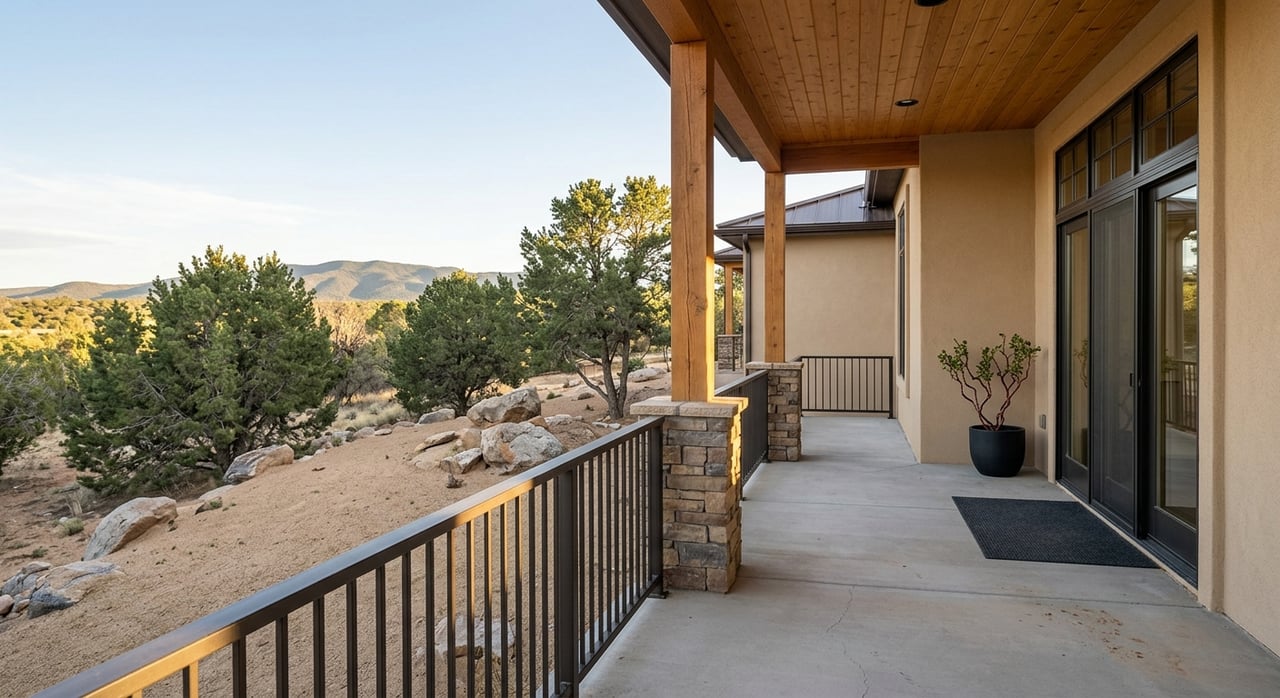
Wondering why one Prescott home gets strong offers while another similar home sits longer or sells for less? In Prescott, views and location often shape value in ways that go far beyond square footage. If you are buying or selling here, understanding those differences can help you price smarter, compare homes more accurately, and make a better long-term decision. Let’s dive in.
Prescott is especially sensitive to view and location because of its physical setting. The city sits in a mountain basin in north central Arizona at about 5,400 feet, with major natural landmarks like Thumb Butte, Granite Mountain, the Granite Dells, Willow Lake, and Watson Lake shaping how homes look, feel, and are experienced.
That setting is not just scenic. Prescott’s General Plan treats views, open space, greenways, trails, and wildlife corridors as important community assets. The city also defines viewsheds as scenic or historic areas visible from public places, which shows how much the local landscape matters to daily life and to real estate value.
Downtown plays a big role too. The city describes the Courthouse Plaza and downtown core as the heart of the community, known for historic buildings, mixed uses, mature trees, and a pedestrian-oriented layout. That gives some properties a location advantage that feels very different from homes closer to forest edges, lakes, or major corridors.
Current market conditions make these differences matter even more. The Prescott Area Association of REALTORS® reported a median sold price of $621,000 in Prescott in May 2026, with median days on market at 42. In a market like that, buyers tend to look closely at the details that separate one home from another.
A view can add value, but not every view carries the same weight. Broader research shows that attractive views and park views can create measurable price premiums, while some view types can have weaker or even negative effects depending on what buyers actually see and how they perceive it.
In practical terms, the market does not reward elevation alone. It rewards a view that feels attractive, usable, and marketable. A home that looks toward protected open space, rock formations, or a natural backdrop may be valued differently from a home that is simply higher up but faces future development, traffic, or less appealing surroundings.
In Prescott, that matters because views are tied to topography, preserved land, and surrounding context. A ridgeline, boulder backdrop, forest edge, or lake-facing setting may create a stronger impression than a generic “view lot” label in a listing.
When buyers talk about a good view, they usually mean more than distance. They are reacting to what the view includes, how wide it feels, and whether it adds privacy or a sense of calm.
In Prescott, some of the most marketable view elements are natural landmarks, open-space visibility, and scenery that feels connected to the area’s mountain-basin character. The better the visual experience, the more likely that view is to support value.
A beautiful view today is not always a protected view tomorrow. Areas near conserved land, open space, or land constrained by topography may have more durable viewsheds than locations where future changes could interrupt sightlines.
That is why sellers should be careful about overpricing based on a view alone, and why buyers should ask whether the view is likely to stay consistent over time. In Prescott, permanence can be just as important as the view itself.
Location in Prescott is not one-size-fits-all. A downtown location, a forest-edge property, and a home near lakes or major corridors may all appeal to different buyers for different reasons.
The strongest value usually appears when the property type fits the location. A home near downtown may benefit from pedestrian access and historic surroundings, while a larger home or acreage property may gain more value from privacy, scenery, and access to open land.
Downtown Prescott has clear appeal. The Courthouse Plaza area offers historic character, civic access, restaurants, and a pedestrian-oriented setting that many buyers find attractive.
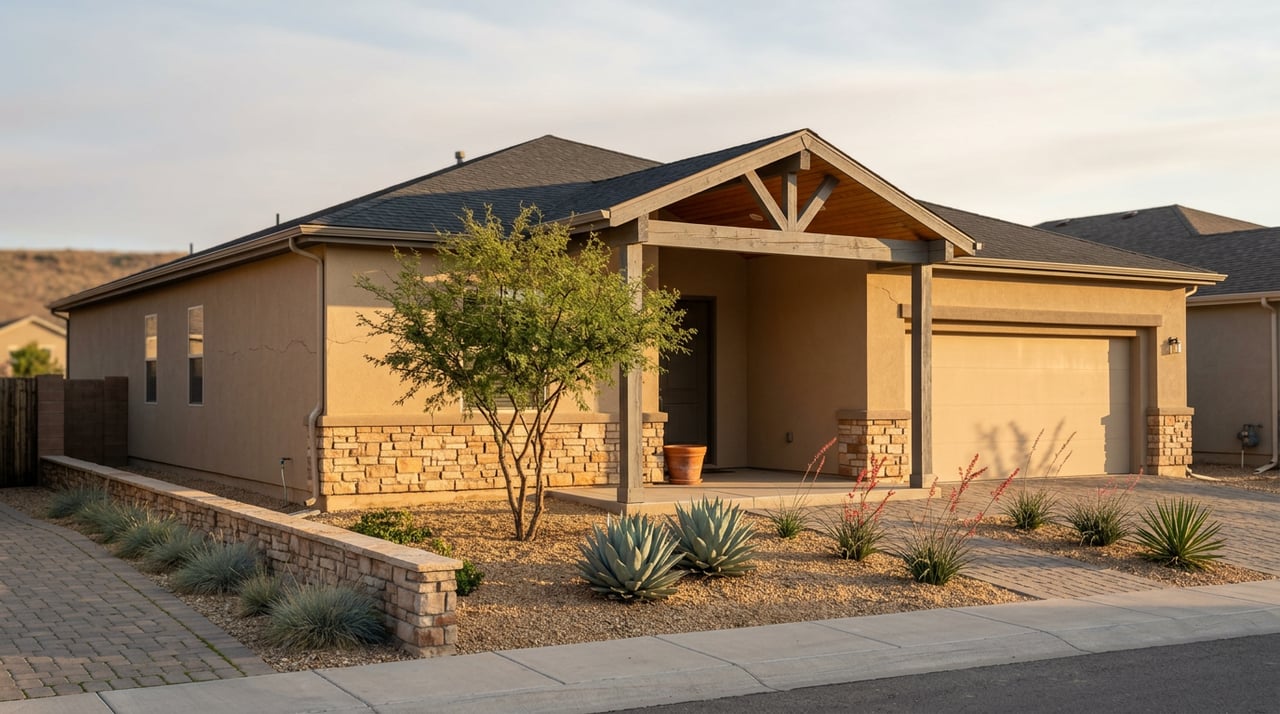
That said, the premium is not automatic for every property. The city also notes long-running parking challenges in the downtown core, and some homes in these areas may come with smaller lots, more noise, or added maintenance tied to older construction.
For the right buyer, downtown proximity can be a major plus. For others, especially those who want more parking, larger lots, or a quieter setting, that same location may feel like a tradeoff.
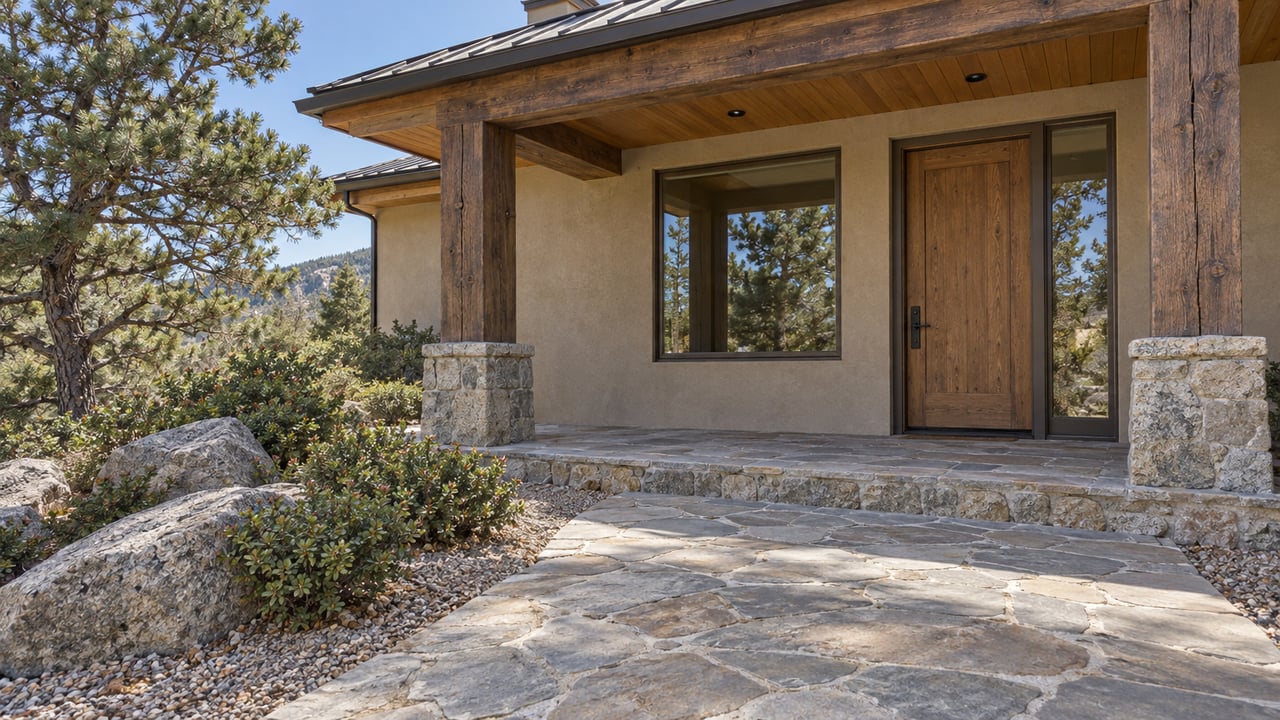
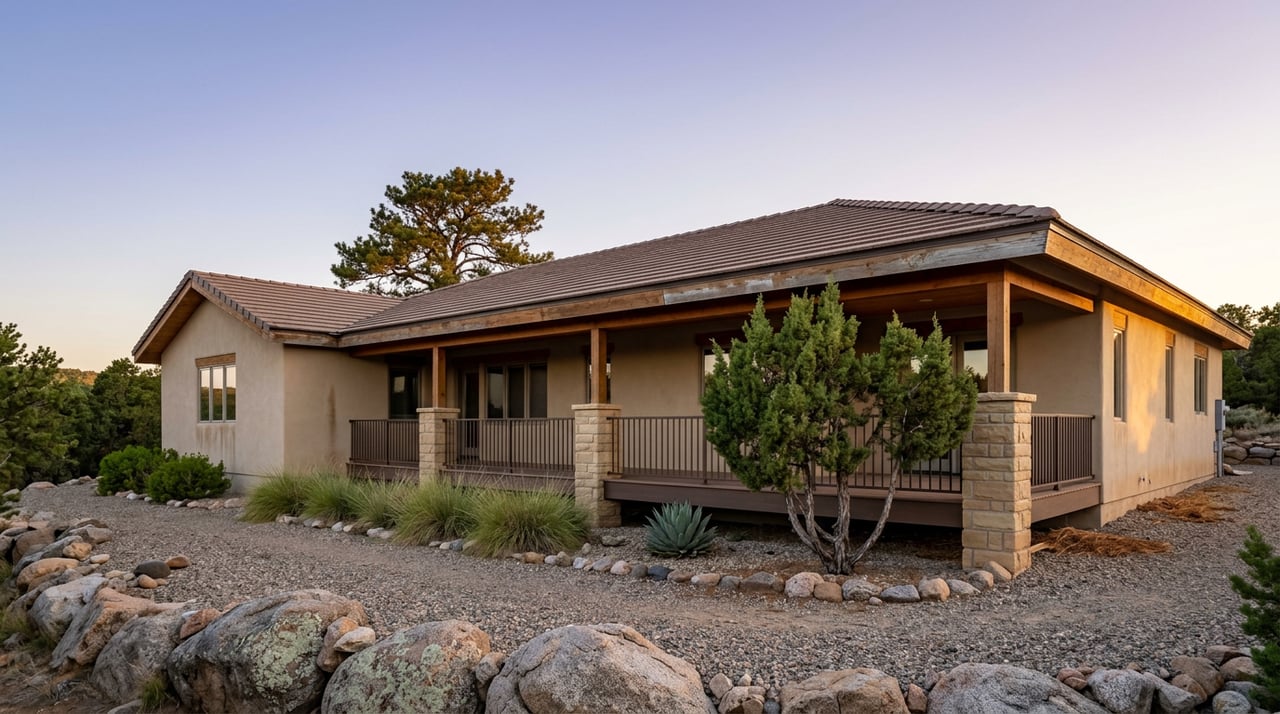
Prescott National Forest borders communities including Prescott, and the forest includes about 950 miles of trails and more than 100,000 acres of wilderness. That creates real appeal for buyers who want scenery, hiking, biking, and a stronger connection to open space.
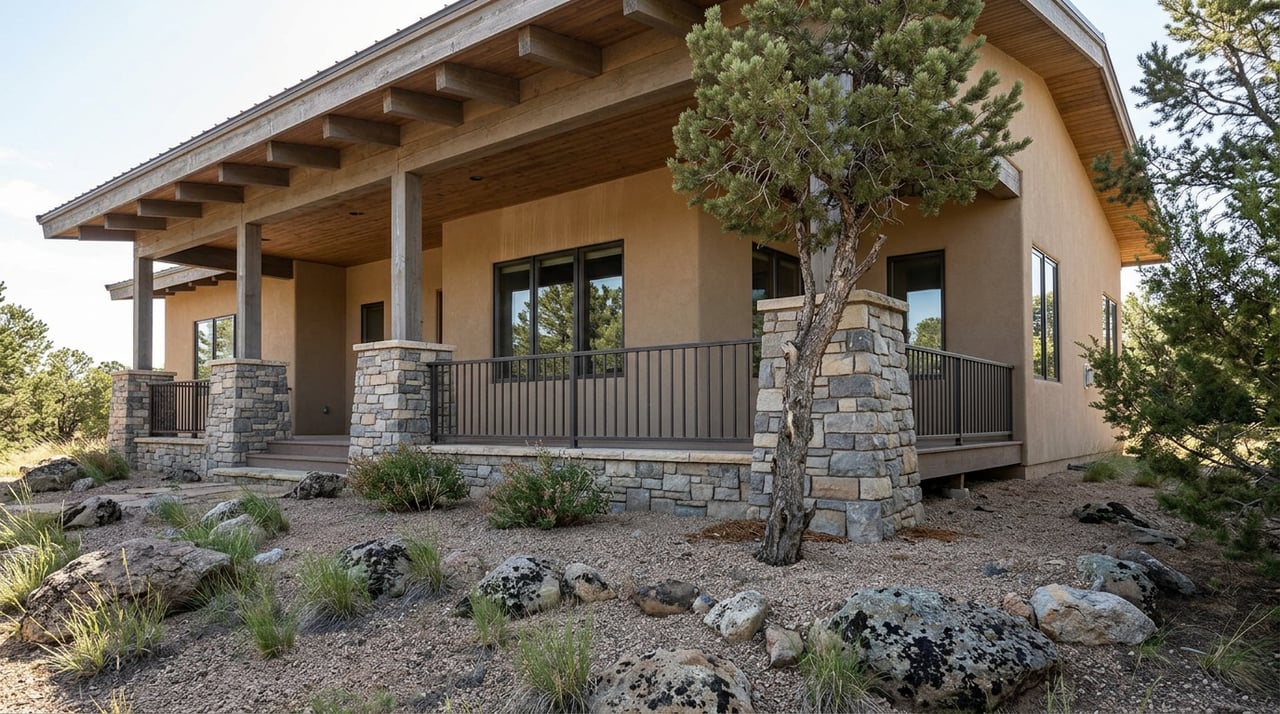
Homes near the forest often benefit from privacy, natural backdrops, and a lifestyle that feels distinct from more built-up areas. In many cases, that helps support value.
But forest-adjacent homes also come with tradeoffs. The City of Prescott identifies the wildland-urban interface as a key issue and requires defensible-space and fuel-management practices around homes in affected areas. That means some buyers may weigh the beauty and access against added maintenance, compliance, and fire-risk concerns.
Elevation often helps value in Prescott when it improves sightlines, privacy, or separation from busy roads. A higher site may also feel more protected or more visually connected to surrounding landmarks.
Still, topography can cut both ways. Steeper or more constrained sites may cost more to access, maintain, or improve. In other words, the market may reward the view, but it also notices the practical burden that can come with the lot.
Some locations lose value because of factors beyond the home itself. Prescott’s General Plan notes airport-area noise and avigation concerns, especially in residential areas south and east of the airport, and the city’s zoning map includes airport overlays and noise contours.
That does not make those homes undesirable. It simply means some buyers may discount price based on noise, traffic, or compatibility concerns, even if the location offers convenience or lot utility.
Different parts of Prescott often reflect different value patterns. You can think of them less as fixed rules and more as common market tendencies.
This area tends to attract buyers who want historic character, walkability, restaurants, and central access. Value often comes from the setting and daily convenience rather than lot size or newer construction.
Common tradeoffs include parking limits, smaller lots, noise, and maintenance tied to older homes. For some buyers, that is worth it. For others, it is not.
Areas near Thumb Butte, Granite Mountain, and the Prescott National Forest boundary often appeal to buyers looking for scenery, privacy, and trail access. These homes can feel more sheltered and connected to the landscape.
The tradeoffs usually involve vegetation maintenance, wildland-urban interface obligations, and fire-risk perception. Those factors can narrow the buyer pool even when the setting is highly attractive.
Homes around Willow Lake, Watson Lake, and the Granite Dells may benefit from strong visual backdrops and recreation-oriented appeal. Buyers are often drawn to the natural setting and the sense of openness.
At the same time, not every view in these areas is equally protected or equally quiet. Access patterns, nearby corridors, and future visibility changes can affect how much premium the market is willing to pay.
If you are selling, the key question is not just “Do I have a view?” The better question is, “What kind of view do I have, how durable is it, and what tradeoffs come with my location?”
A smart pricing strategy in Prescott should look beyond broad citywide averages. Homes should be compared based on view quality, forest adjacency, slope and access, downtown proximity, airport or corridor influence, and whether the setting creates added maintenance or risk concerns.
That is especially important with distinctive properties. Atypical homes, acreage, and homes with strong landscape features often need a more careful comp strategy because generic comparisons can miss what buyers are really paying for.
If you are buying, it helps to separate lifestyle value from resale value. You may gladly pay more for a forest-edge setting or downtown location if you plan to use those benefits every day.
For long-term resale, the strongest cases often combine an attractive view, manageable access, and a location that is less likely to be weakened by future development or recurring nuisance factors. In other words, the best premium is usually the one that feels both enjoyable and defensible.
This is where careful local guidance matters. Two homes may look similar online, but one may have a more durable viewshed, fewer topography issues, or a better fit between the home type and the location.
The most useful way to judge a view or location premium is with a paired-comp approach. That means comparing homes with similar size, age, condition, and lot utility, then isolating the difference created by view, elevation, forest-edge proximity, walkability, or airport and corridor exposure.
This kind of analysis is especially important in Prescott because there is no single fixed dollar adjustment for every view type. The premium depends on context.
If you want to understand what your home is worth, or whether a listing is fairly priced, local interpretation matters. In a market shaped by topography, open space, and lifestyle differences, the details often drive the result.
If you are thinking about buying or selling in Prescott and want a more precise read on how views and location affect value, reach out to Peter Fife for a free home valuation.
Stay up to date on the latest real estate trends.