Building A New Home In Prescott Valley: What To Expect
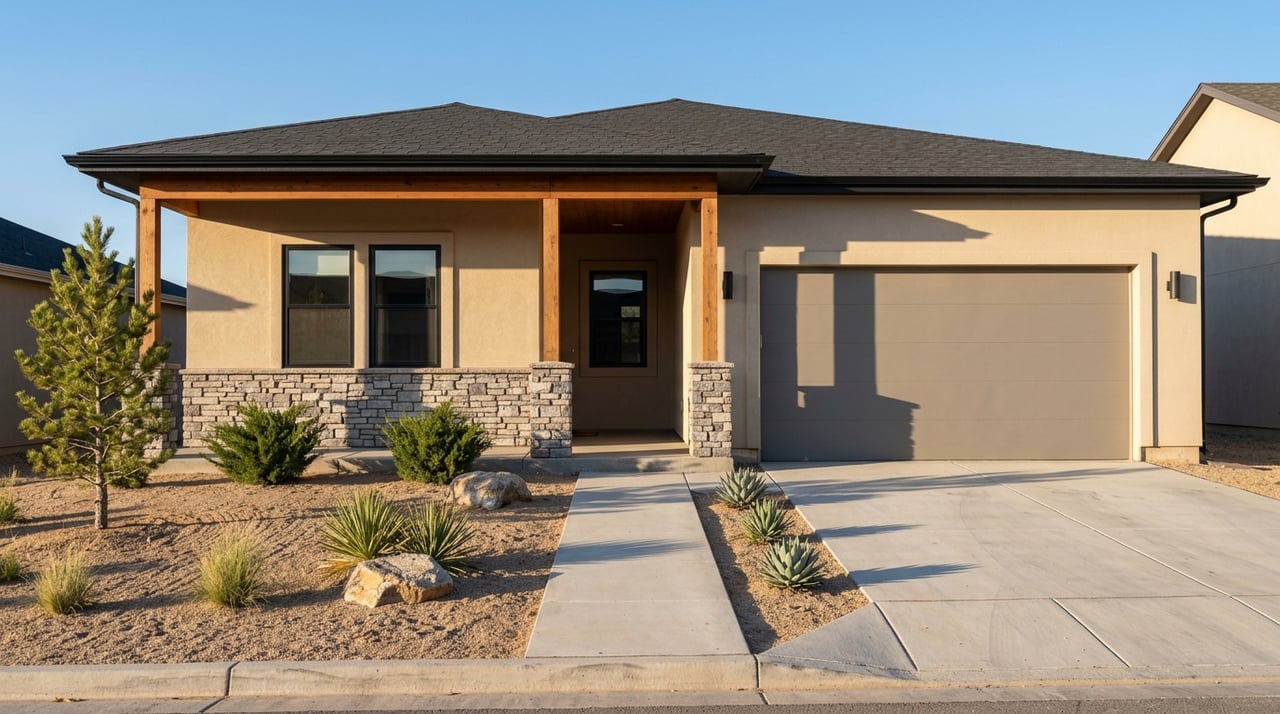
Thinking about building a new home in Prescott Valley? It is exciting to choose a floor plan, finishes, and homesite that fit your goals, but it can also feel like a moving target once pricing, permits, inspections, and timelines enter the picture. If you want a clearer picture of how new construction usually works here, this guide will walk you through what to expect before you sign, during the build, and right up to move-in. Let’s dive in.
One of the biggest things to understand is that new construction is not one single experience in Prescott Valley. Depending on the builder and community, you may be choosing between a to-be-built home, a home with some personalization options, a quick move-in home, or a fully move-in-ready home.
That matters because your timeline, design choices, and final price can look very different from one option to the next. Local communities currently show a mix of product types, including projects already under construction as well as homes that have not started yet.
A practical local framework starts with getting pre-qualified, then selecting a lot, floor plan, and features before submitting an offer. That sequence is reflected in the homebuying process published by StoneRidge, and it lines up well with how many new-build purchases move forward in Prescott Valley.
Before you fall in love with a model home, it helps to compare communities in a few specific ways:
This early comparison work can save you from surprises later. Two homes with similar advertised prices can end up very different once you factor in lot costs, finish selections, and timing.
In Prescott Valley, your homesite is not just where the house sits. It can directly change what you pay and what floor plans are available to you.
A lot premium is an added cost for the homesite itself. That extra cost may reflect factors like location, size, views, or other site features. It can also affect whether a certain plan will fit based on lot dimensions or community requirements.
For buyers here, the key takeaway is simple: the same floor plan may cost more on a different lot. Local builder materials also note that advertised pricing may not include elevation changes, optional features, upgrades, or lot premiums.
One of the fun parts of building a home is choosing finishes and features that feel like yours. Many builders offer a design studio or guided selection process where you can personalize items like surfaces, fixtures, and certain technology options.
At the same time, customization has limits. Your choices are usually shaped by the builder’s included features, available upgrade catalog, and community standards.
This is where your budget needs to stay grounded. It is easy to focus on the base price and then discover later that design selections have pushed the total much higher than expected.
A smart way to stay in control is to ask for a clear breakdown of:
If you are looking beyond a standard production-home lot, expect more moving parts. Prescott Valley’s residential permit checklist shows that new-home applications may require items like a drainage and grading plan, site-specific soils certification, a temporary utility agreement, a culvert application, a water meter application, a sewer connection plan, and a full plan set.
That is important for buyers considering raw lots or semi-custom opportunities. Site conditions can affect the timeline before framing even begins.
The town’s checklist also notes that soils certification can lead to an engineer report or compaction report when existing fill or larger fill areas are present. If grading exceeds 50 cubic yards, a separate grading permit is required.
In plain English, that means homesite preparation can become a real part of the project. On land-oriented purchases, this is often where local knowledge matters most.
When you build in Prescott Valley, the contractor side is not something to gloss over. Arizona requires a contractor to be licensed for work over $1,000 or for work that requires a permit, and Prescott Valley’s application package requires proof of a valid contractor’s license unless an owner-builder declaration is used where legally allowed.
Arizona also administers the Residential Recovery Fund for owner-occupants who use licensed residential contractors. For you, that makes builder verification an important early step, not just a box to check later.
The building process includes far more than a final walk-through. Prescott Valley requires staged inspections tied to code compliance throughout construction.
Those inspections include points such as:
The town also requires work to remain accessible for inspection. If the job is not ready, access is blocked, or approved plans are missing, re-inspection fees may apply.
This is one reason new construction timelines can shift. Even when a builder is organized, scheduling and readiness still matter.
A common misunderstanding is that town inspections replace the need for your own inspector. They do not.
Municipal inspections are for code compliance and the permit process. Your independent inspection serves a different purpose because it helps protect your interests, identify concerns, and give you better information before closing.
If you are buying a new home in Prescott Valley, it is wise to plan for an independent inspection in addition to the builder and town process. That extra layer can give you more confidence as you move toward closing.
New-build timing depends heavily on the type of home you choose. Some local quick move-in homes are typically about 45 to 90 days from being ready, while a fully to-be-built home can take much longer.
StoneRidge says homeowners are contacted about four to six weeks before scheduled completion and asks for five business days between orientation and closing. A broader benchmark from a national builder places construction in the 6 to 12 month range depending on the community and build details.
That wide range is exactly why buyers should ask detailed timeline questions upfront. “New construction” can mean very different move-in windows.
Prescott Valley’s temporary utility agreement adds another timing factor that many buyers never see. Temporary power is for construction only, and occupancy requires a certificate of occupancy plus final utility clearance.
The same town documents state that the project must be completed within 365 calendar days, and a permit may expire if there is no inspection activity for 180 days. These rules help explain why delays involving weather, plan changes, site work, or materials can have a real impact on the overall schedule.
As the home nears completion, you will usually move into the orientation and closing phase. A local builder example includes a homeowner orientation before signing and closing, which gives you a chance to review systems, finishes, and the final condition of the home.
Warranty support can also vary by builder. StoneRidge advertises a homeowner orientation, a 45-day care checkup, and an 11-month tune-up, while ĒCCO says it offers a 10-year insured builder’s limited warranty.
The main point is that post-closing support is not identical from one builder to another. You will want to ask what is covered, how claims are handled, and what follow-up process is offered after move-in.
With new construction, the value of representation often shows up in the details. Prescott Valley buyers are often comparing communities, lots, timelines, upgrade structures, and contract terms all at once.
That is where experienced guidance can help you stay focused on the right questions, such as:
It is also worth remembering that you do not have to use the builder’s lender. Keeping your options open can help you compare costs and choose the financing path that works best for your situation.
If you want the smoothest possible experience, start with a clear plan. Building a home in Prescott Valley usually goes better when you know your budget ceiling, preferred timeline, must-have features, and comfort level with customization.
Before you commit, make sure you understand:
New construction can be a great fit if you want a more tailored home and are prepared for the process that comes with it. The more clearly you compare builders, homesites, and timelines, the more confident your decision will feel.
If you are weighing new construction in Prescott Valley and want a local perspective on builders, homesites, and what details deserve a closer look, Peter Fife can help you sort through the options with clear, practical guidance.
Stay up to date on the latest real estate trends.