Historic Charm Or New Build? Choosing Your Prescott Home
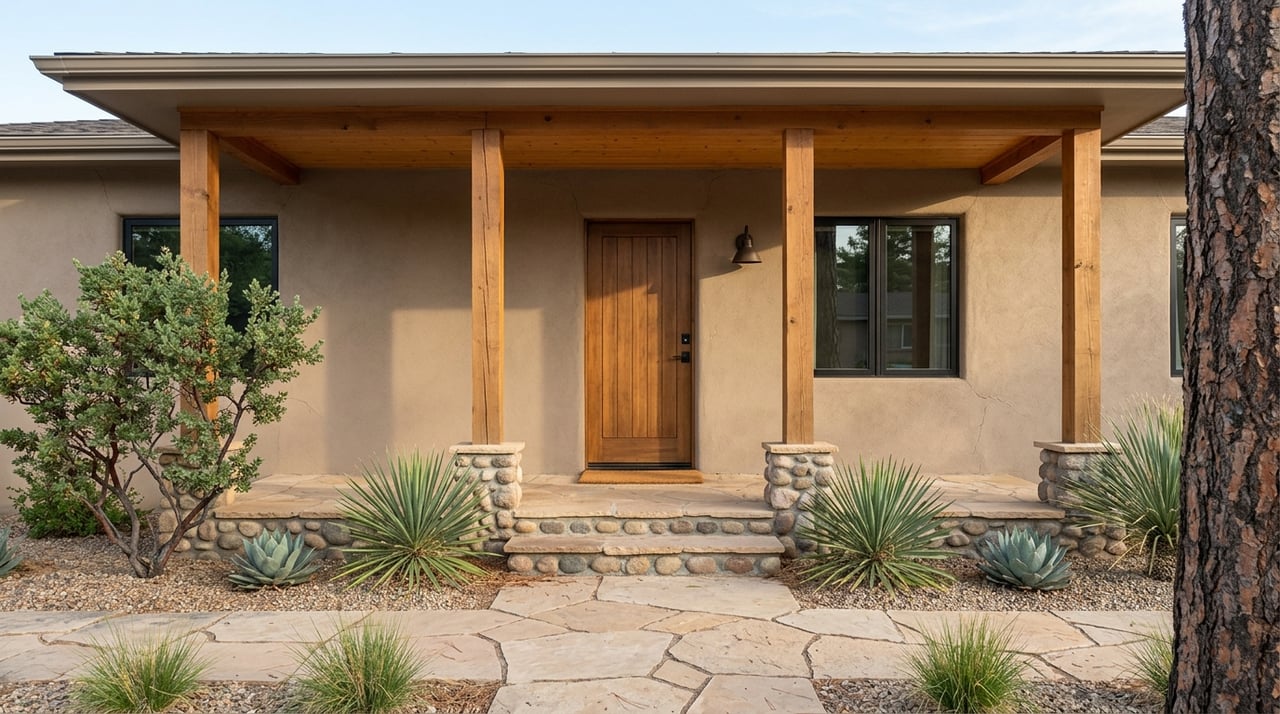
Choosing between a historic home and a new build in Prescott is not just about old versus new. It is really about how you want to live, what kind of upkeep feels right for you, and how much flexibility you want after you move in. If you are trying to weigh charm, convenience, walkability, trails, amenities, and future maintenance, this guide will help you sort through the tradeoffs with more confidence. Let’s dive in.
Prescott offers a rare mix of preserved historic neighborhoods and newer planned communities. The city maintains 13 local and 13 national historic districts with more than 800 National Register properties, while also reviewing new development through its Land Development Code and General Plan.
That means your decision is shaped by more than style alone. In Prescott, housing choice often comes down to whether you value architecture and central location most, or prefer newer systems, community amenities, and a more predictable ownership experience.
Prescott’s older neighborhoods are known for architectural variety and a strong sense of place. In East Prescott, the city identifies one of Arizona’s oldest and best-preserved collections of American architectural styles, including Queen Anne, Colonial Revival, and Bungalow/Craftsman homes.
West Prescott adds even more variety, with Craftsman/Bungalow, Period Revival, Mission/Spanish Colonial, Gothic, and English Tudor Revival examples. Around the Courthouse Plaza district, the layout feels especially connected to downtown, with buildings historically placed close to the street and oriented toward a more pedestrian-friendly setting.
If you are drawn to front porches, mature streetscapes, and homes with visible design details, Prescott’s historic areas may feel hard to beat. These neighborhoods often offer an established setting that looks and feels different from a newer subdivision.
For many buyers, that appeal is emotional as much as practical. You are not just buying square footage. You are buying a setting, a style, and a connection to Prescott’s history.
Older neighborhoods near the historic core often provide the best access to downtown Prescott. The city notes that the Garage on Granite sits one block from Courthouse Plaza and offers pedestrian access to downtown restaurants, shops, art galleries, and lodging.
The city also highlights the Heritage Trail, which runs through downtown historic sites and museums. If being able to spend time near the center of town matters to you, an older home near downtown may line up better with your lifestyle.
The biggest practical tradeoff with a historic home is often the approval process for exterior work. In Prescott’s local historic districts, owners must appear before the Prescott Preservation Commission for exterior work that requires a permit.
For properties that are National Register only, review is handled administratively by the Historic Preservation Specialist. Either way, if you want to change exterior elements, add on, or make visible updates, it is important to understand the review path before you buy.
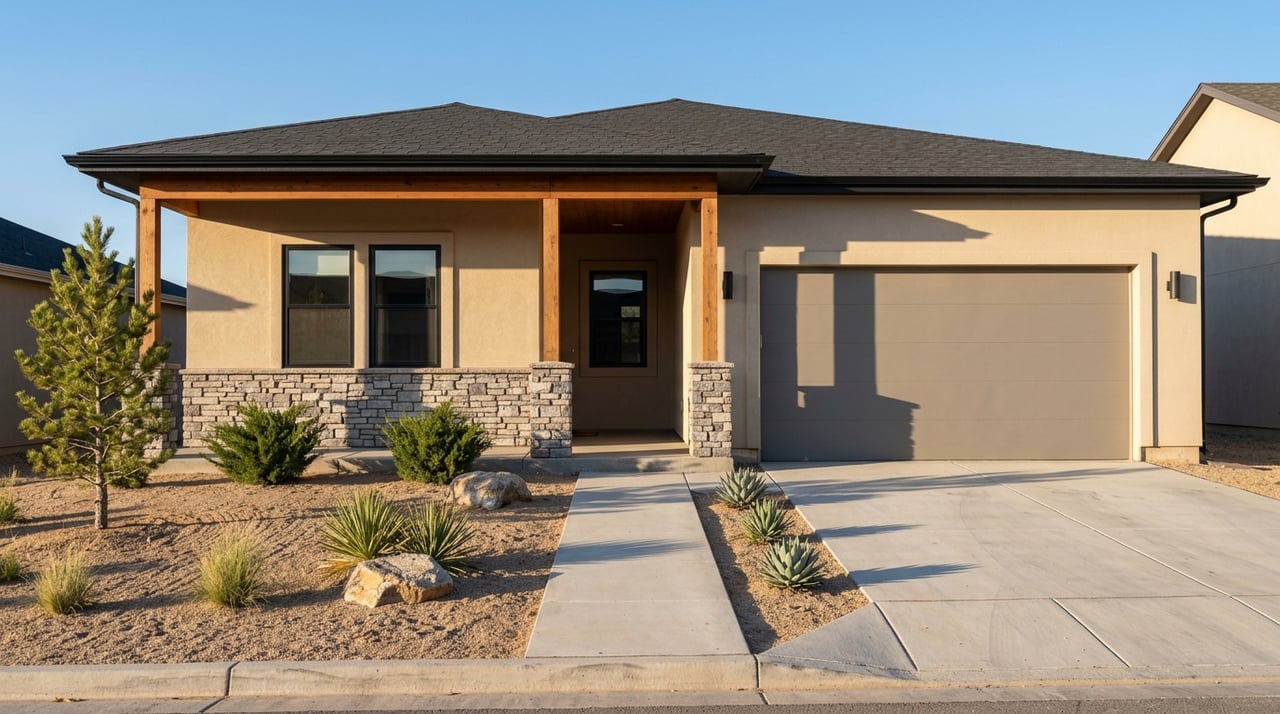
Prescott’s newer-home communities tend to be more planned, more amenity-focused, and easier for buyers who want lower day-one maintenance risk. If you like the idea of modern layouts, newer systems, and neighborhood features designed into the community from the start, a new build may be the better fit.
This side of the market can feel especially appealing if you are relocating, downsizing, or simply want a home that needs fewer immediate updates.
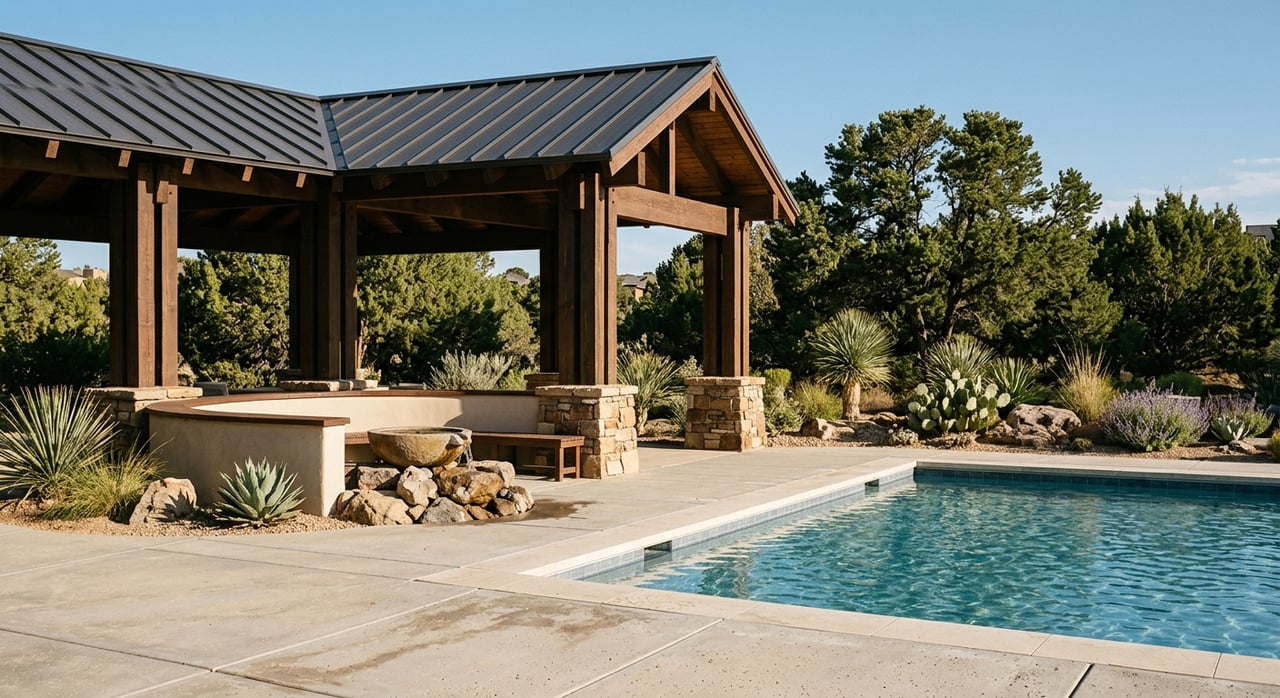
Prescott Lakes is located within Prescott city limits near Willow Lake, Watson Lakes, and the Granite Dells. The community spans 1,100 acres and includes a 210-acre Hale Irwin signature golf course, a 12,000-square-foot Athletic Club, a clubhouse, and walking and hiking trails.
The Dells is another large master-planned community of more than 1,100 acres. Its plan describes a blend of residential living with a business and shopping neighborhood, along with custom home sites, including a private gated neighborhood with sites of more than two acres.
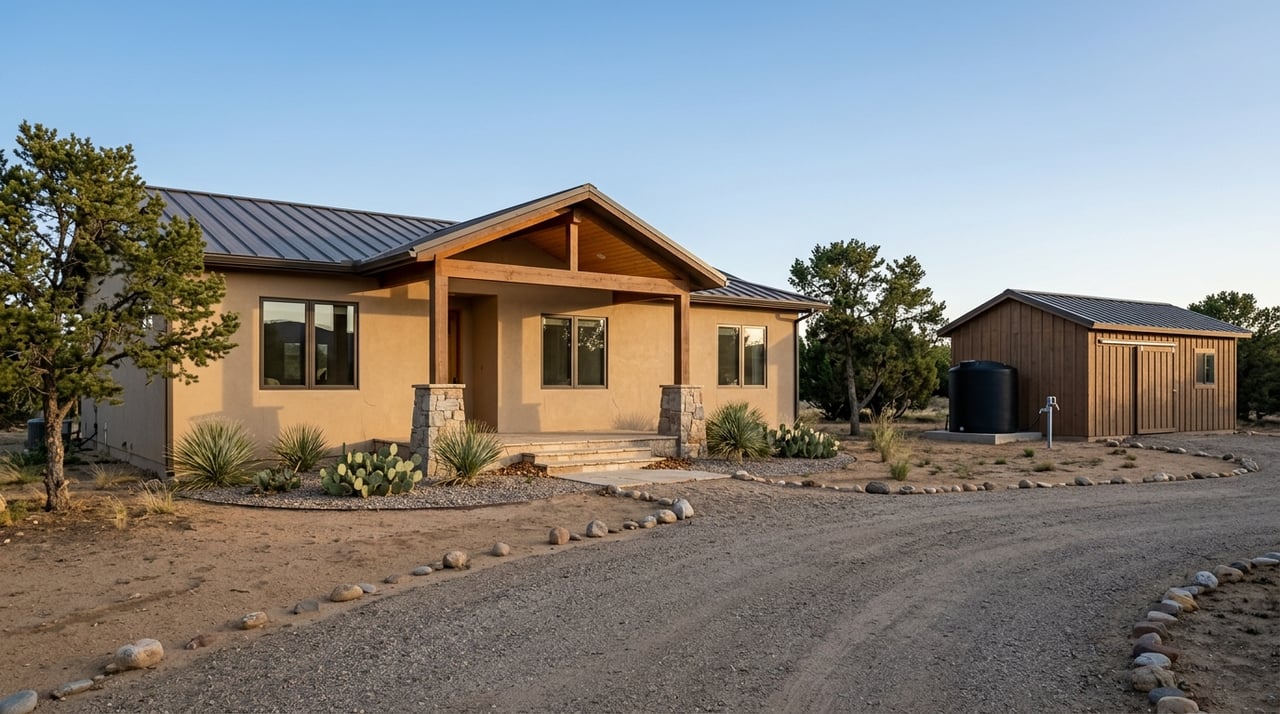
One of the clearest advantages of new construction is building performance. Department of Energy profiles of Mandalay Homes at The Dells highlight Zero Energy Ready Homes with features such as ENERGY STAR appliances, Indoor airPLUS features, WaterSense elements, efficient HVAC and ventilation, and design choices that support outdoor living in Prescott’s climate.
For buyers who want modern efficiency and newer systems, that can be a meaningful benefit. It may also reduce the likelihood of immediate repair or replacement costs after closing.
Many newer communities include HOA governance. Prescott Lakes has a management team, resident documents, and neighborhood quarterly assessments, while materials for The Dells note low HOA dues in at least one neighborhood.
For some buyers, this creates welcome predictability around common-area maintenance and neighborhood standards. For others, it means less flexibility than a non-HOA property might offer.
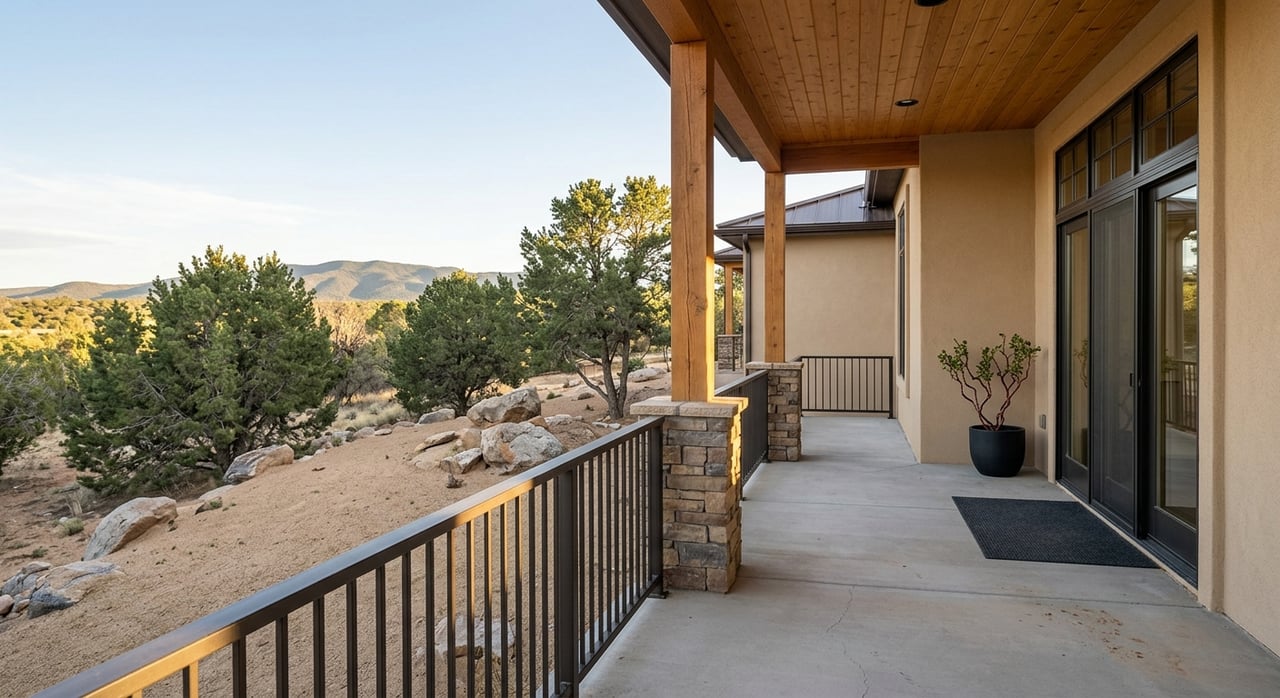
In Prescott, your daily routine may change more based on location than on the age of the home itself. Historic areas near downtown often support a more walk-to-town lifestyle, while newer north Prescott communities may put you closer to newer amenities, lakes, golf, and trail systems.
That is why this decision should start with how you want to spend your time. The right home is the one that supports the lifestyle you actually plan to live.
If you picture mornings near Courthouse Plaza, local shops, galleries, and historic streets, older Prescott neighborhoods may offer the stronger fit. These areas often feel more rooted in the original fabric of the city.
If you prefer a more structured neighborhood setting with built-in amenities and easier access to newer infrastructure, a newer community may make more sense. Neither is better across the board. It depends on what feels easiest and most enjoyable to you.
One thing Prescott does especially well is outdoor access. The city says the trail system includes more than 100 miles of trails, including the Prescott Circle Trail, Greenways Trails System, and Dells trails around Watson and Willow Lakes.
The Prescott Circle Trail is a 56-mile loop with 15 trailheads and comes as close as three miles to downtown. So while historic-core buyers may enjoy walkability to town, buyers in newer north Prescott areas may find trail access to be one of the biggest advantages on that side of the market.
When buyers compare historic and new homes, they often focus first on list price. In Prescott, the more useful question is what ownership costs and commitments come with each choice.
A historic home may bring renovation needs, exterior approval timelines, or future updates tied to preservation review. A newer home may bring HOA dues, amenity-related costs, and a price premium for newer construction and modern systems.
Some buyers are happy to invest in character, location, and thoughtful improvements over time. Others would rather pay for a newer property that offers efficiency, amenities, and fewer immediate projects.
Neither approach is wrong. The key is matching your budget to your comfort level with maintenance, approvals, and ongoing community costs.
Another factor in Prescott is whether you want an established setting or are comfortable with continued growth nearby. City project pages show ongoing north Prescott infrastructure work tied to Deep Well Ranch, including a 16-inch water main for the future master-planned community.
The city’s projects-in-design information also references other development work in that area. If you want a neighborhood that already feels fully built out, older areas may be more appealing. If you are comfortable with phased growth and future buildout, newer areas may still be a strong match.
Before you choose between historic charm and a new build, it helps to narrow the decision with a few practical questions:
These questions can quickly reveal which side of the market fits your priorities best.
For some buyers, the answer is easy. You may walk into a Victorian near the historic core and instantly know that the character and location are worth the extra process. Or you may tour a newer home near the Dells, see the modern finishes and efficiency features, and decide that simplicity fits this season of life better.
Either way, the best choice is the one that aligns with your lifestyle, your budget, and your comfort with maintenance and rules. If you want help comparing neighborhoods, reviewing tradeoffs, or narrowing down the right fit in Greater Prescott, Peter Fife can help you make a more confident move.
Stay up to date on the latest real estate trends.