HOA vs No HOA Prescott Valley Living Near Granville
Trying to decide between the structure of HOA living in Granville and the freedom of a no-HOA property just outside town? You are not alone. Many Prescott Valley buyers wrestle with how much control, cost, and convenience they want day to day. In this guide, you will compare the real tradeoffs in our area so you can choose the lifestyle that fits you best. Let’s dive in.
Granville sits in Prescott Valley, which is an incorporated town inside Yavapai County. Just beyond those town limits are unincorporated county areas that feel close to town but operate under different rules. These lines affect zoning, permits, utilities, and even who maintains the roads.
Inside Prescott Valley, you often find master-planned neighborhoods with HOAs, including many close to Granville. In nearby county pockets, you are more likely to see older subdivisions and rural parcels with no HOA. Before you shop, confirm whether a property is in town or in unincorporated Yavapai County by checking resources from the Town of Prescott Valley or Yavapai County.
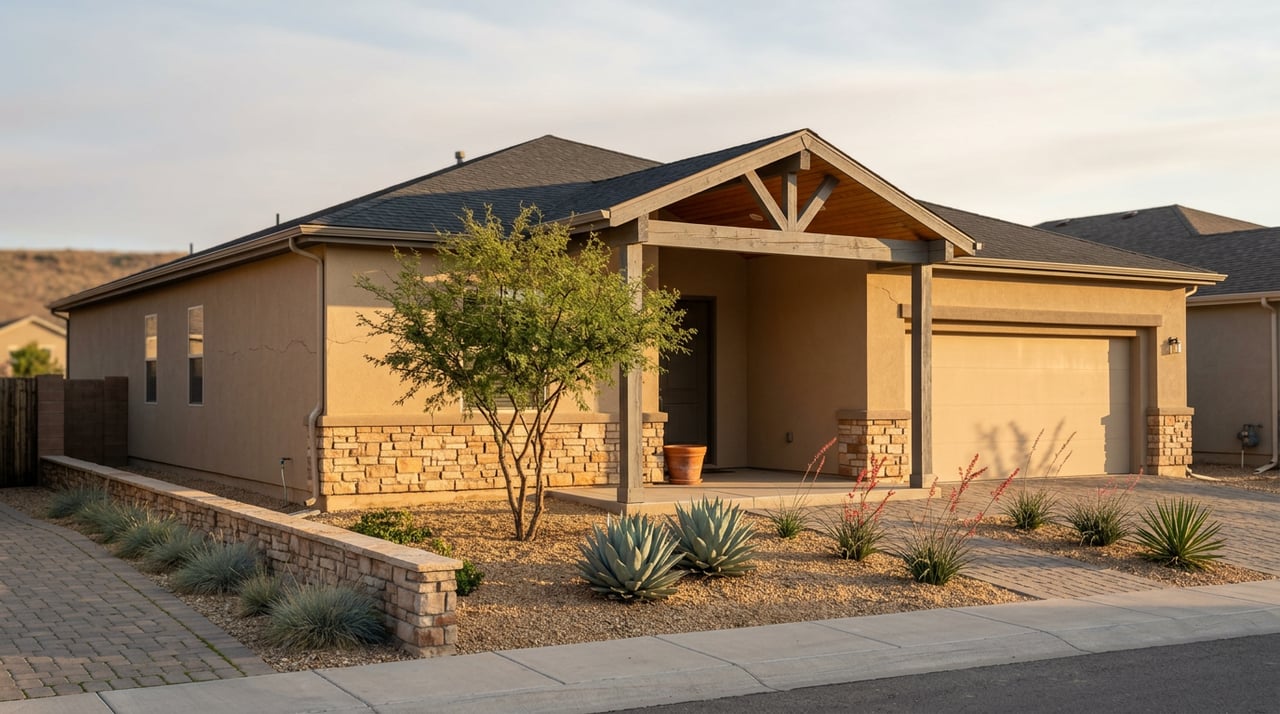
In HOA neighborhoods, you typically see amenities like parks, trails, community centers, or pools. The common areas and private streets are maintained by the association, which helps keep the neighborhood appearance consistent. This can be a strong fit if you want low-maintenance living and predictable standards.
You will pay monthly or quarterly dues that cover common-area upkeep and reserves. Dues vary with amenities and management needs, and some communities may charge special assessments for major projects. Lenders count HOA dues in your monthly housing cost, and condo projects can also have program-specific rules for financing.
No-HOA living often attracts buyers who want more independence. You may have more flexibility with exterior changes, outbuildings, or storing RVs and boats on-site. That said, recorded covenants can still exist even when there is no formal HOA.
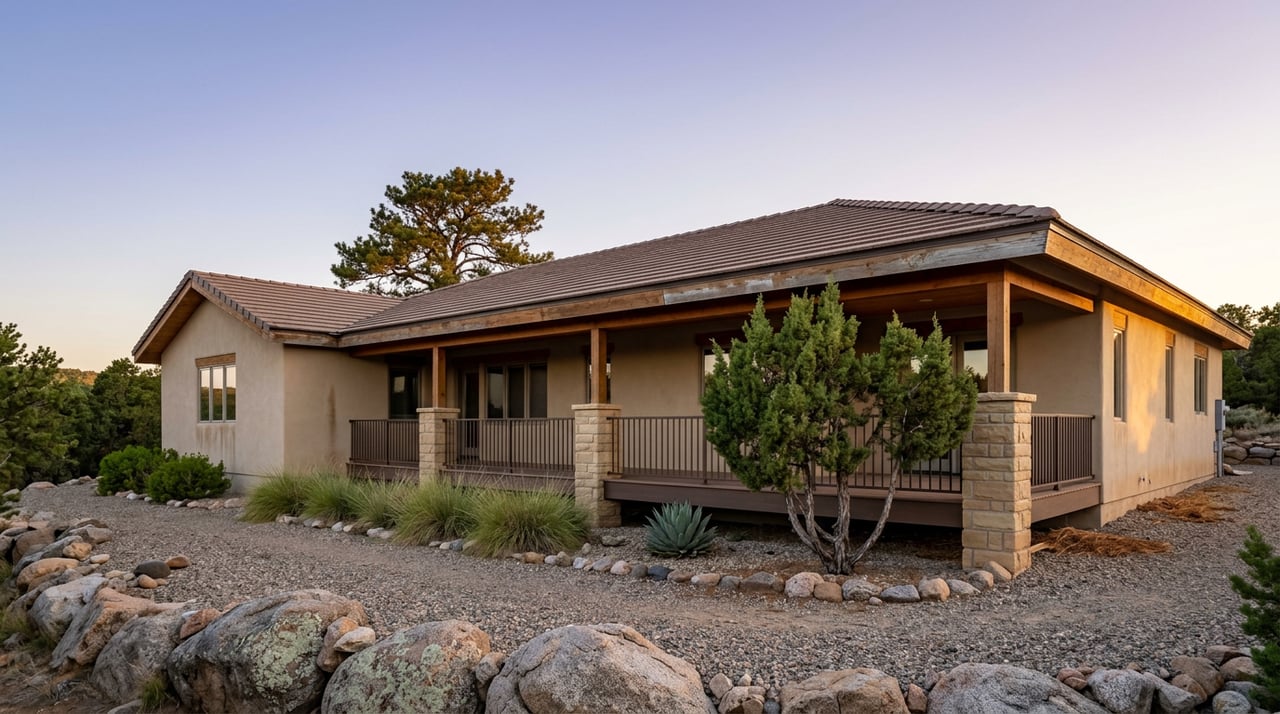
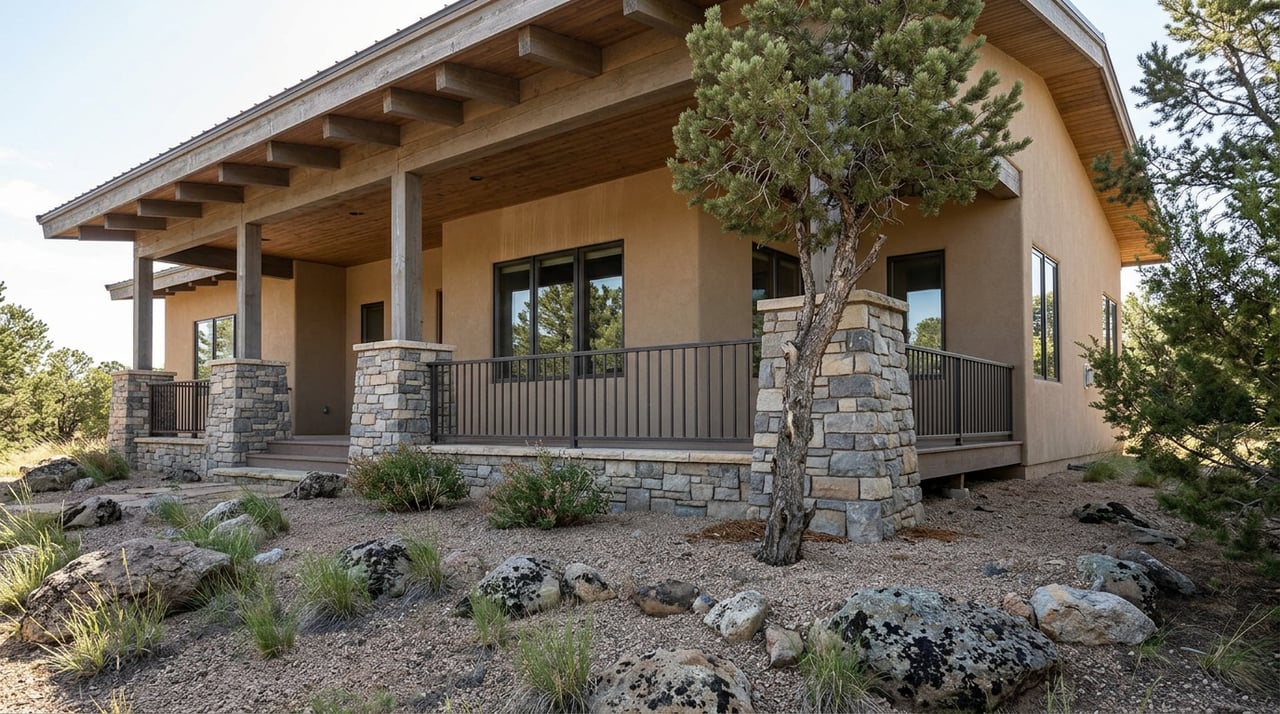
In county areas, you trade neighborhood rules for personal responsibility. You will coordinate your own maintenance, and private roads may require shared agreements with neighbors. County ordinances still apply, and you will work with county planning and building for permits and approvals.
Many HOA properties inside Prescott Valley connect to town water and sewer, and they benefit from town services like police and code enforcement. County parcels may rely on wells and septic systems, or they may use private water companies. Each property is unique, so always verify service type and provider.
Road maintenance also varies. In an HOA, the association may maintain private streets and lighting. In county areas, some roads are public and county-maintained, while others are private and owner-maintained. You can review municipal and county service information through the Town of Prescott Valley and Yavapai County.
Both options have ongoing costs. The difference is how they show up and who manages them.
If you are financing, remember that lenders count HOA dues in your monthly payment. For condos specifically, HOA approval and project eligibility can affect your loan options. Your lender and agent can help you evaluate these details during due diligence.
HOAs are governed by recorded CC&Rs, bylaws, and rules. Common limits include exterior color changes, landscaping standards, modifications that affect the façade, and where you can store RVs, boats, or trailers. Most communities have an architectural review process for exterior updates.
No-HOA properties have fewer community rules. However, you still need to comply with county or town ordinances on setbacks, building permits, and health standards for wells and septic. Some non-HOA subdivisions also have recorded covenants that remain enforceable even without a formal association. Always read the documents.
If you own an RV, a boat, or a trailer, pay close attention. Many HOAs restrict visible storage on driveways and require placement behind a fence or in a garage. Some offer on-site storage lots for a fee, which can be convenient if available.
In county areas with no HOA, you are more likely to park RVs on-site or build a detached garage, subject to zoning and setback limits. Confirm specifics with the Town of Prescott Valley for properties in town or Yavapai County for county parcels. It is also smart to drive the neighborhood at different times to see how rules are applied in practice.
Resale appeal depends on the buyer segment and location. HOA communities often attract buyers who want amenities, uniform streetscapes, and predictable upkeep. This can support demand among retirees, travelers, and families who value low maintenance.
Some buyers prefer to avoid dues and seek more autonomy. Those buyers might favor county parcels that allow RV storage or outbuildings. Visible differences in neighboring property upkeep can be a drawback for some shoppers, so local comparables matter.
In Prescott Valley and Yavapai County, preference is mixed and depends on lifestyle, lot size, proximity to services, and long-term plans. Your agent can help you read local comps and buyer demand by neighborhood.
Before you commit, ask for the full association record set. Arizona provides buyer protections for planned communities and condo associations, and you should get the resale packet early. You can learn about general state guidance through Arizona REALTORS and find statutes that govern planned communities and condominiums in Arizona Title 33 on the Arizona Legislature site.
Key HOA documents and disclosures to request:
No-HOA does not always mean no restrictions. You still want to confirm recorded covenants and all infrastructure details that affect livability and cost.
Key items to check for county or non-HOA properties:
The Yavapai County and Town of Prescott Valley sites are starting points for verifying zoning and permit requirements.
The right questions save time and reduce surprises. Ask the seller or listing agent:
Consider these signposts as you compare options near Granville.
Choose HOA living if you value:
Choose no-HOA living if you value:
Neither path is universally better. It comes down to your budget, lifestyle, and long-term plans for the property.
Set your priorities, then match them to real listings. For HOA communities, review the resale packet and financials as early as possible, and confirm any rental, pet, or parking rules that matter to you. For non-HOA properties, verify zoning, utilities, and recorded covenants before you fall in love with a home.
When you are ready, lean on local resources. The Town of Prescott Valley and Yavapai County sites can help you confirm jurisdiction, permits, and utilities. For background on HOA operations, budgets, and reserves, explore the Community Associations Institute. For state-level HOA documents and protections, consult Arizona REALTORS and the Arizona statutes in Title 33.
If you want a sounding board who knows both sides of this decision, reach out. Whether you are comparing Granville’s HOA lifestyle or a county parcel with room for an RV garage, you can get advice tailored to your goals. Connect with Peter Fife to talk strategy or to request a free home valuation.
Stay up to date on the latest real estate trends.